Swaveda
Indian history, plainly written.
A short daily post on Indian history — archaeology, genetics, historical linguistics, and the texts. Plus side-by-side translations of public-domain primary works. Plain language; no chest-thumping in either direction.
Plain language
Aimed at any curious reader, not the seminar room. Sanskrit / Pali / Tamil terms get a gloss on first use.
Tradition ≠ evidence
“The Mahabharata describes…” and “the Mahabharata war happened in…” are different sentences, and we don’t silently merge them.
Readers can edit
Sign in to send a correction or addition. If it holds up, it changes the article and credits you. If it’s contested, it’s preserved as a reader note.
Latest articles
All articles →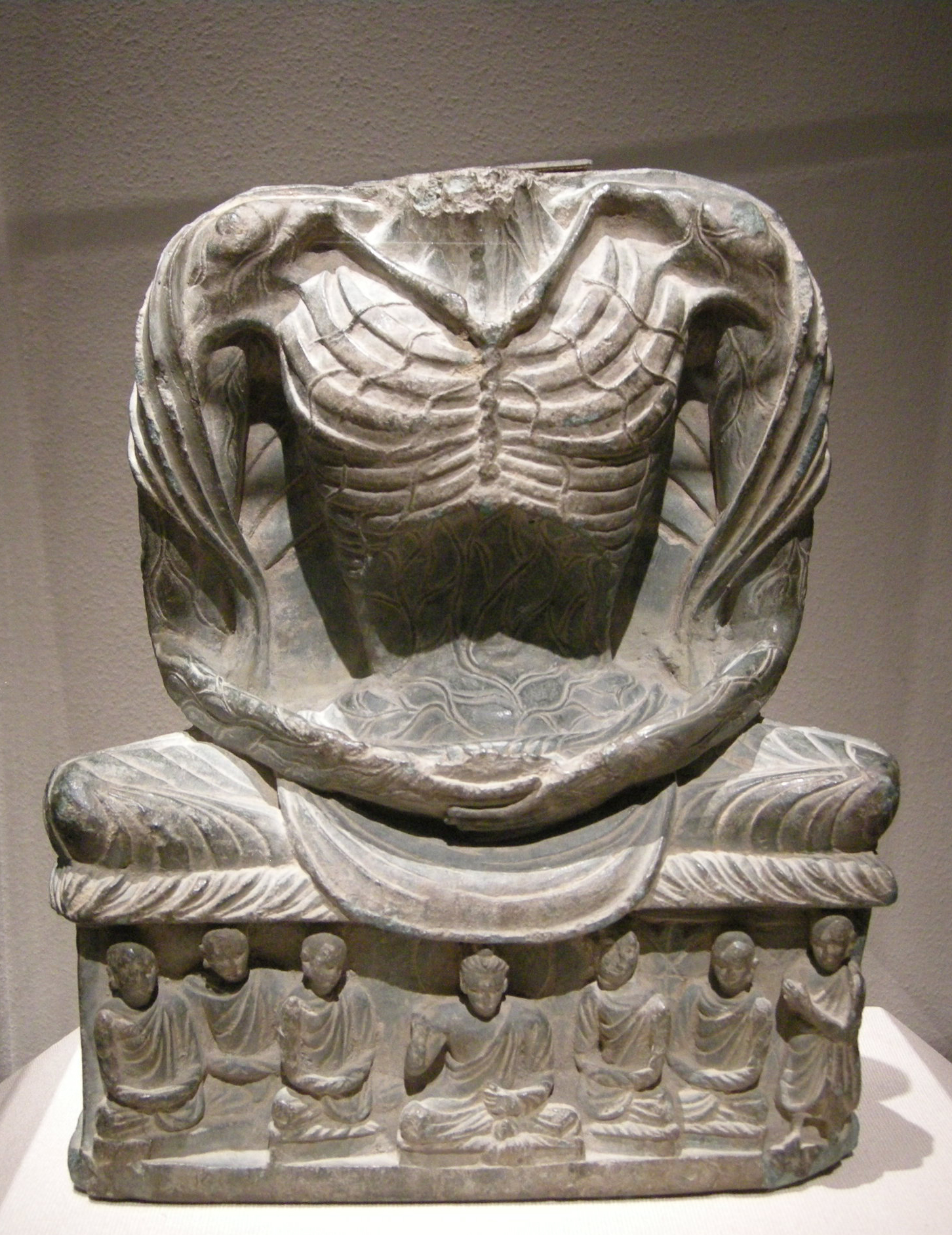
The Weaver’s Thread in the Lexicon: What Austroasiatic Loanwords in Early Indo-Aryan Reveal About Ancient Prehistoric Technology
Linguistic analysis of non-Indo-European loanwords in Vedic Sanskrit reveals early structural borrowings for textiles and agriculture from Proto-Munda speech communities, mapping ancient South Asian exchanges.
Asha Naidu · Oct 19, 2026
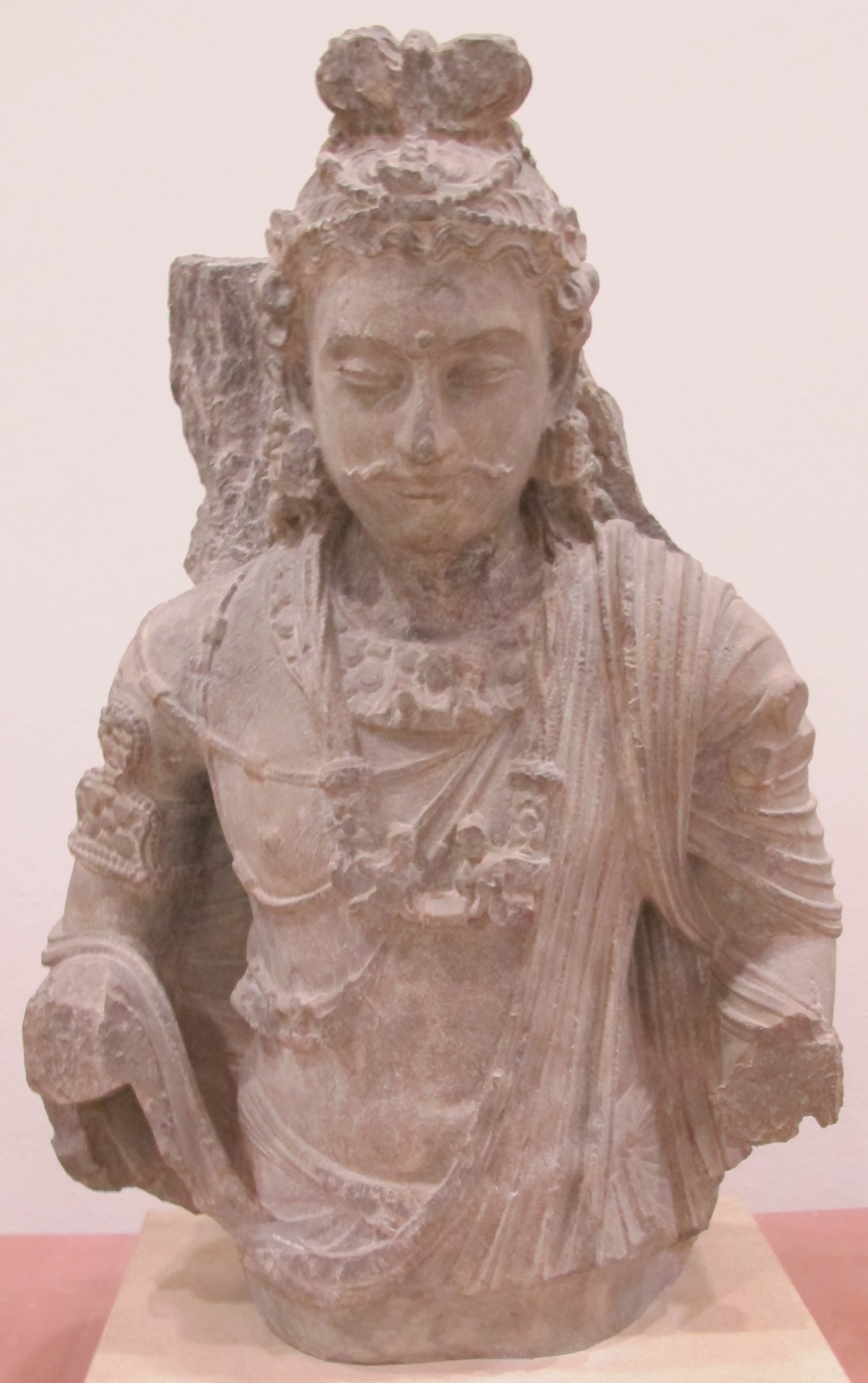
The Epigraphy of Baset: How Early Cambodian Polities Adapted Indian Statecraft
Recent archaeological excavations and epigraphic analyses at Baset in Battambang Province demonstrate how early historic Southeast Asian communities selectively adopted Sanskrit elite models.
Vikram Joshi · Oct 19, 2026
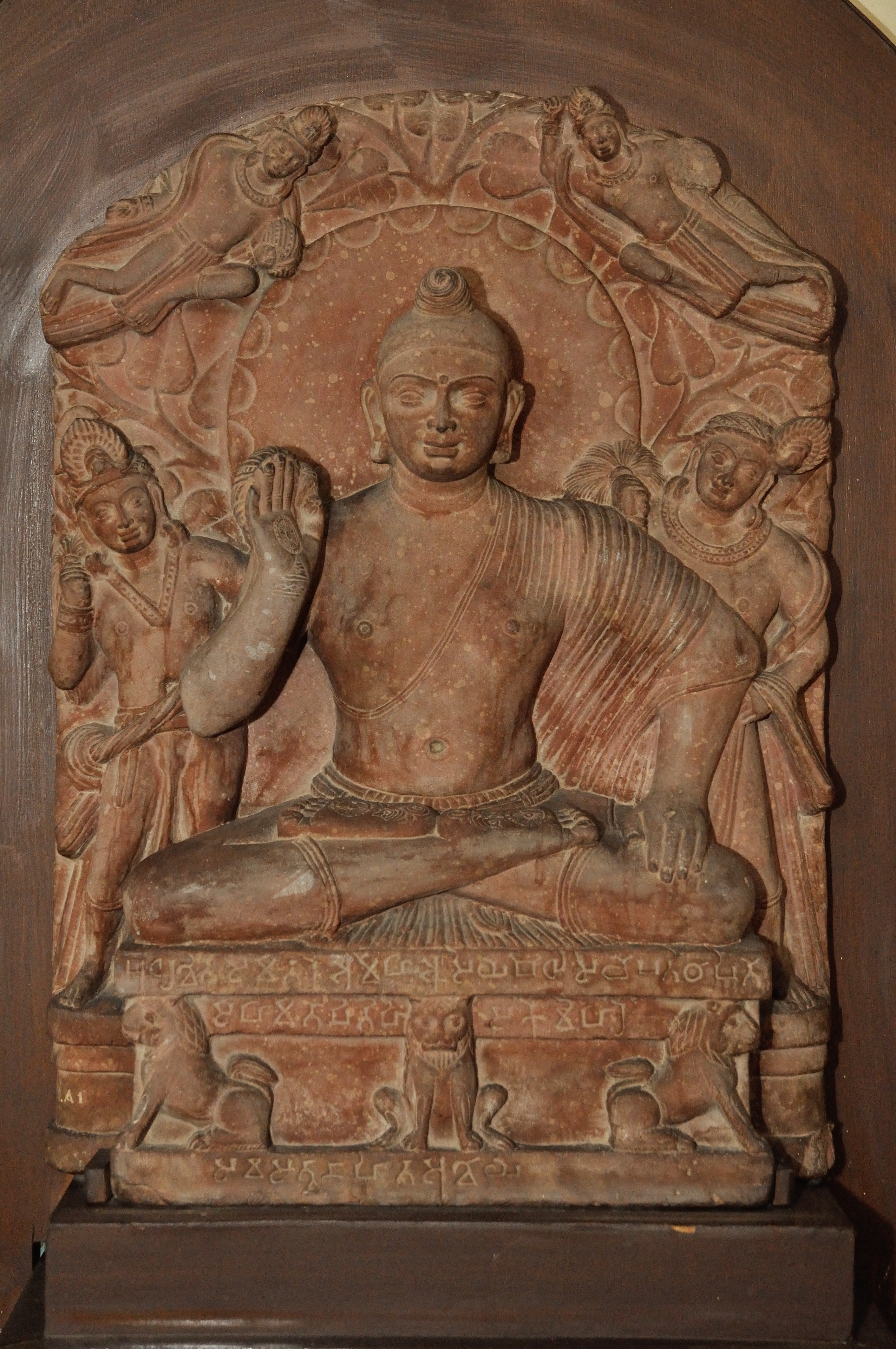
The Loom at Kodumanal: How Microscopic Textile Residues and Spindle Whorls Map Early Historic Trade
Archaeological digs at Kodumanal in Tamil Nadu reveal terracotta spindle whorls and preserved cotton yarn, mapping how an Early Historic rural craft center fed global Indian Ocean trade.
Kavya Sharma · Oct 18, 2026
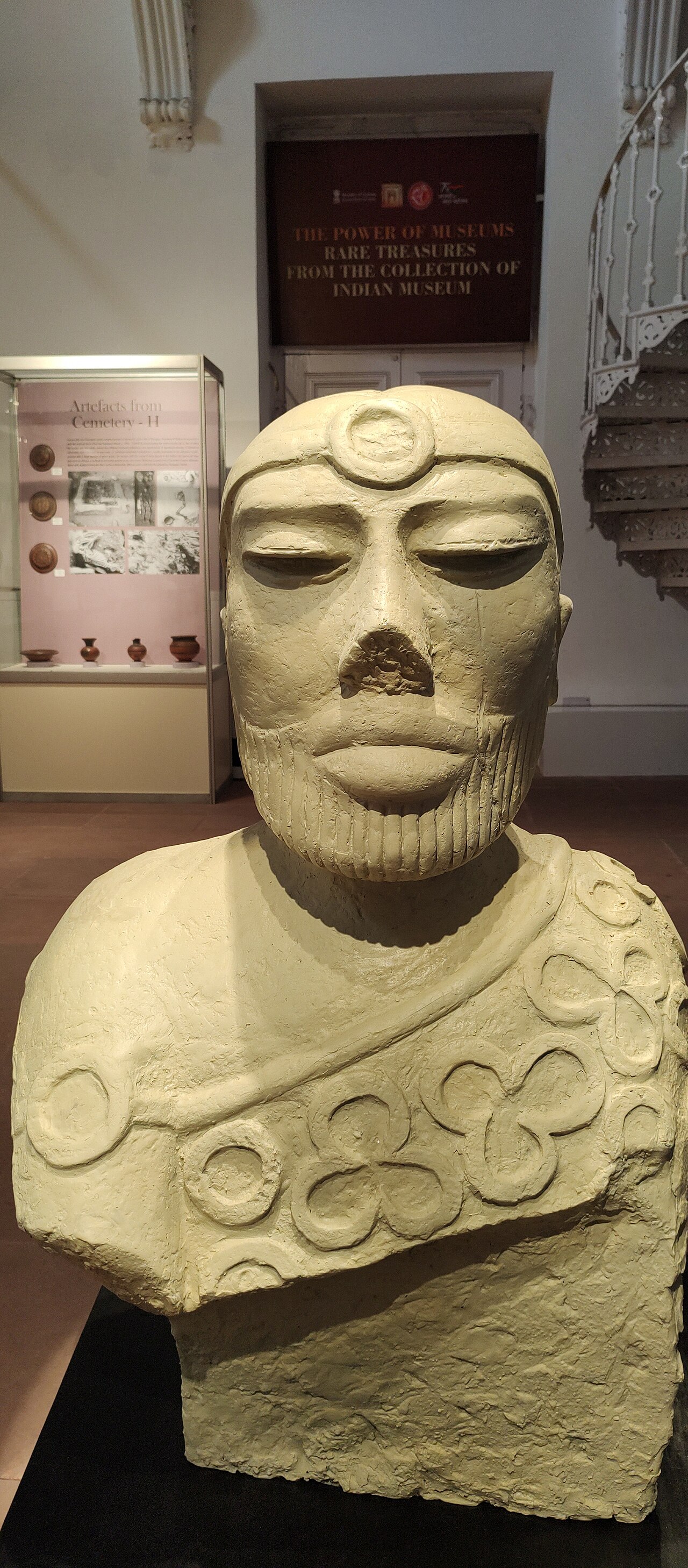
The Genomes of Swat: What Bronze Age Skeletal DNA Reveals About Steppe Ancestry and Language Spread
A genetic timeline built from ancient skeletons in northern Pakistan places the arrival of Central Asian Steppe ancestry between 1200 and 800 BCE, providing empirical bounds for models of Indo-Aryan language dispersal.
Dr. Anil Patel · Oct 18, 2026
The Epistolary Veneration of Tipu Sultan: What the Sanskrit and Kannada Letters of Sringeri Reveal About Political Legitimacy
Primary-source epistles exchanged between Tipu Sultan and the Sringeri Sharada Peetham reveal how classical Sanskrit chancery protocols were deployed to secure political legitimacy following the 1791 Maratha raid.
Meera Iyer · Oct 18, 2026
Recent translations
All texts →Sanskrit
Arthashastra
Chapter 150 · Book 15, Chapter 1: Paragraphical Divisions of This Treatise
Updated Jul 26, 2026
Sanskrit
Arthashastra
Chapter 149 · Book 14, Chapter 4: Remedies against the Injuries of One's Own Army
Updated Jul 26, 2026
Sanskrit
Arthashastra
Chapter 148 · Book 14, Chapter 3: The Application of Medicines and Mantras
Updated Jul 26, 2026
A note on tone
Swaveda is curious, careful, and dry. There’s no civilizational chest-thumping in either direction here — no “Vedic India invented everything,” no “everything came from outside.” If we get something wrong, tell us. We fix it visibly, with a dated note.