Swaveda
Indian history, plainly written.
A short daily post on Indian history — archaeology, genetics, historical linguistics, and the texts. Plus side-by-side translations of public-domain primary works. Plain language; no chest-thumping in either direction.
Plain language
Aimed at any curious reader, not the seminar room. Sanskrit / Pali / Tamil terms get a gloss on first use.
Tradition ≠ evidence
“The Mahabharata describes…” and “the Mahabharata war happened in…” are different sentences, and we don’t silently merge them.
Readers can edit
Sign in to send a correction or addition. If it holds up, it changes the article and credits you. If it’s contested, it’s preserved as a reader note.
Latest articles
All articles →
The Nadistuti Sukta: Which Rivers the Rigveda Named—and Which It Left Out
Rigveda 10.75 names 21 rivers, but the geography doesn't match classical India. Scholars debate whether the Saraswati was drying or mythologized. Here's what the text actually lists.
Rohan Bhattacharya · Sep 9, 2026

Karpāsa, Karpos, Karpas: How Sanskrit Borrowed the Word for Cotton from Dravidian Trade
The Rigveda doesn’t name cotton—but later Sanskrit karpāsa does, borrowed from Dravidian. Linguistics and archaeology show how cotton entered the Indic world via southern merchants, not Vedic herders.
Meera Iyer · Sep 9, 2026
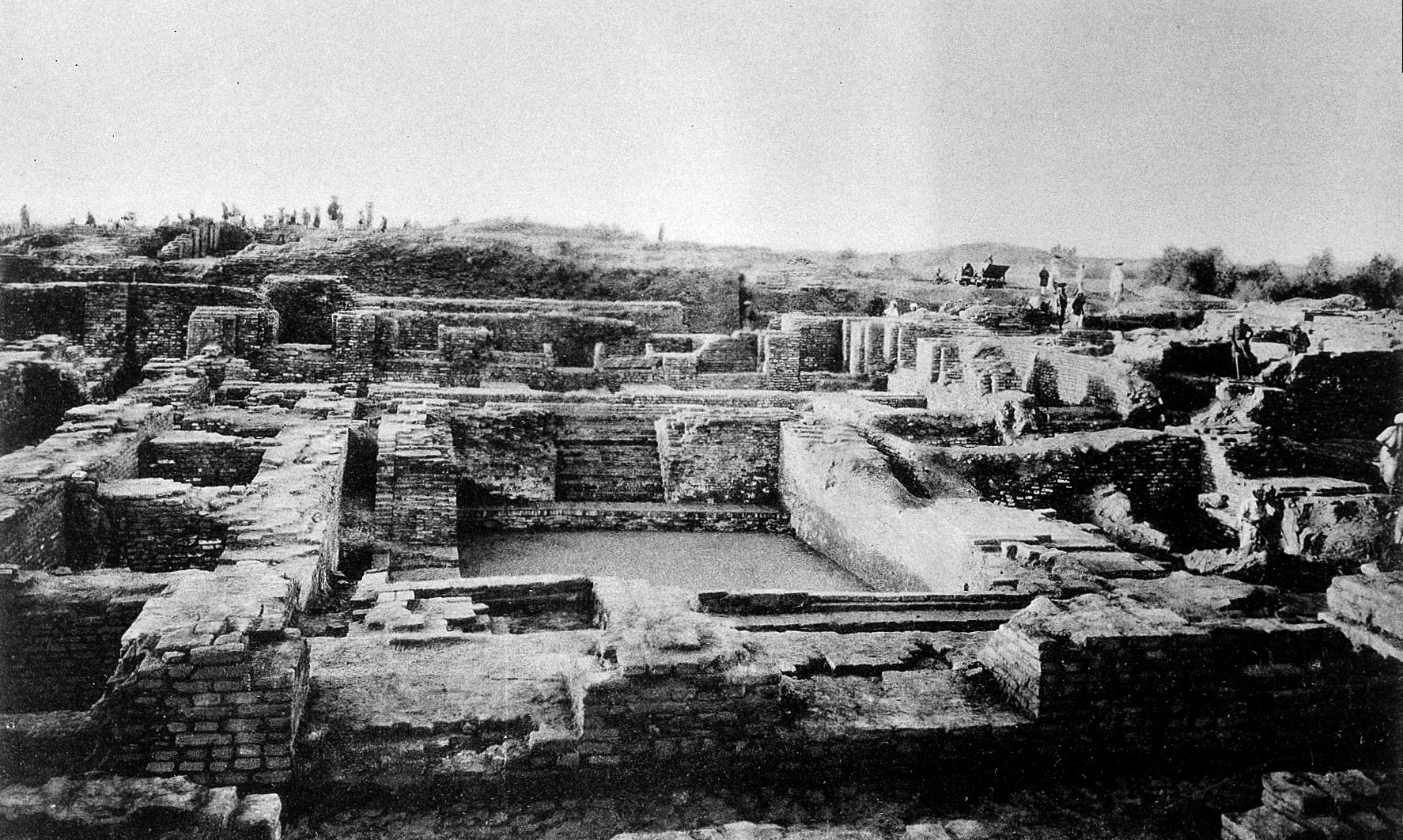
The Silt-Clogged Wells of Farmana: What Mature Harappan Stratigraphy Reveals About Groundwater Depletion
An analysis of stratified clay and wedge-shaped bricks in the wells of Farmana, Haryana, reveals how Harappan urban planners adapted to falling water tables before abandonment.
Rohan Bhattacharya · Sep 8, 2026
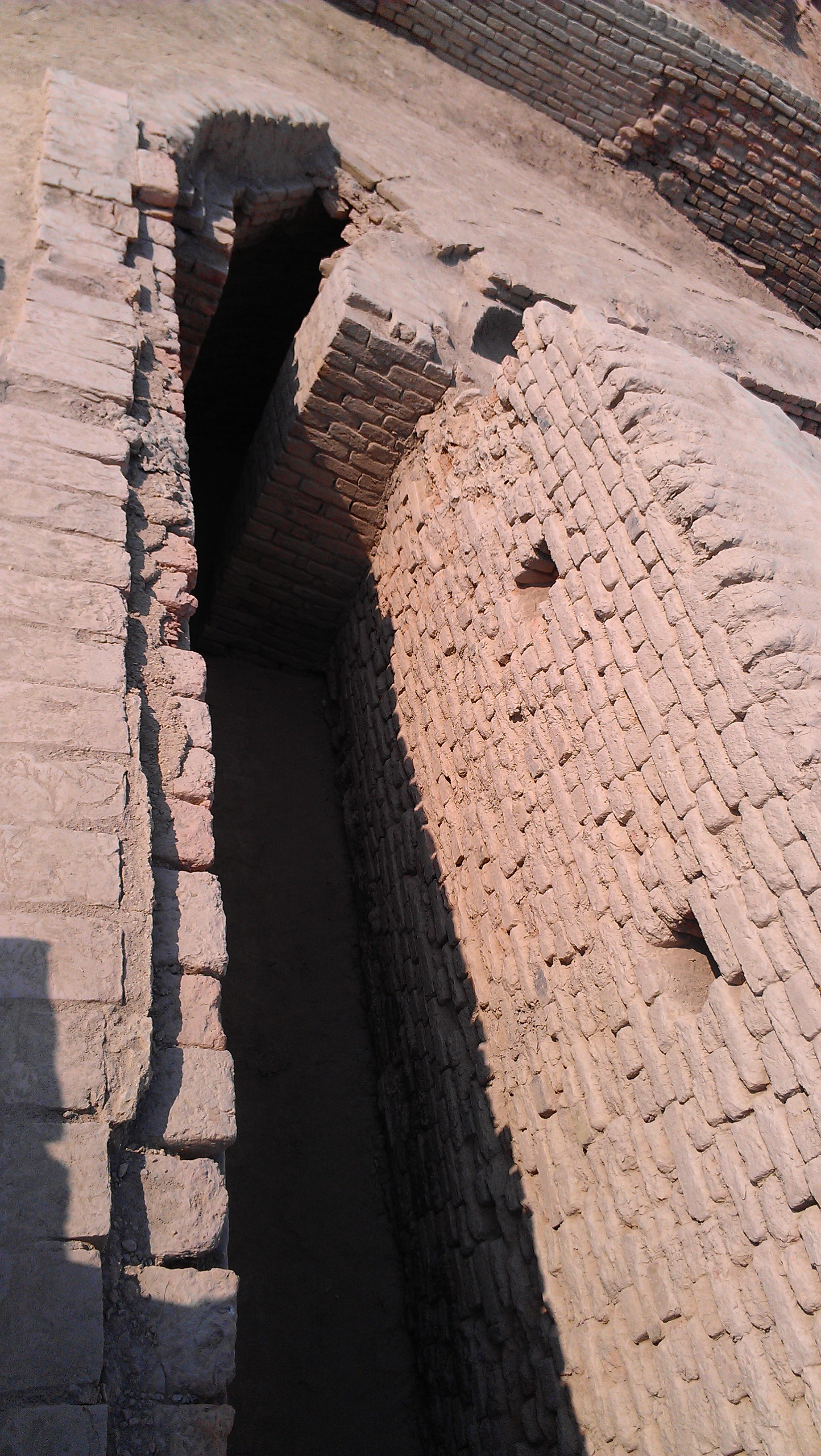
The Mud-Brick Ramparts of Binjor: What Early Harappan Stratigraphy Reveals About Hakra-Phase Flood Defenses
Excavations at Binjor in Rajasthan reveal a gradual transition from Hakra-phase occupations to early Harappan mud-brick fortifications, challenging theories of sudden urbanization on the Ghaggar-Hakra plain.
Rohan Bhattacharya · Sep 7, 2026
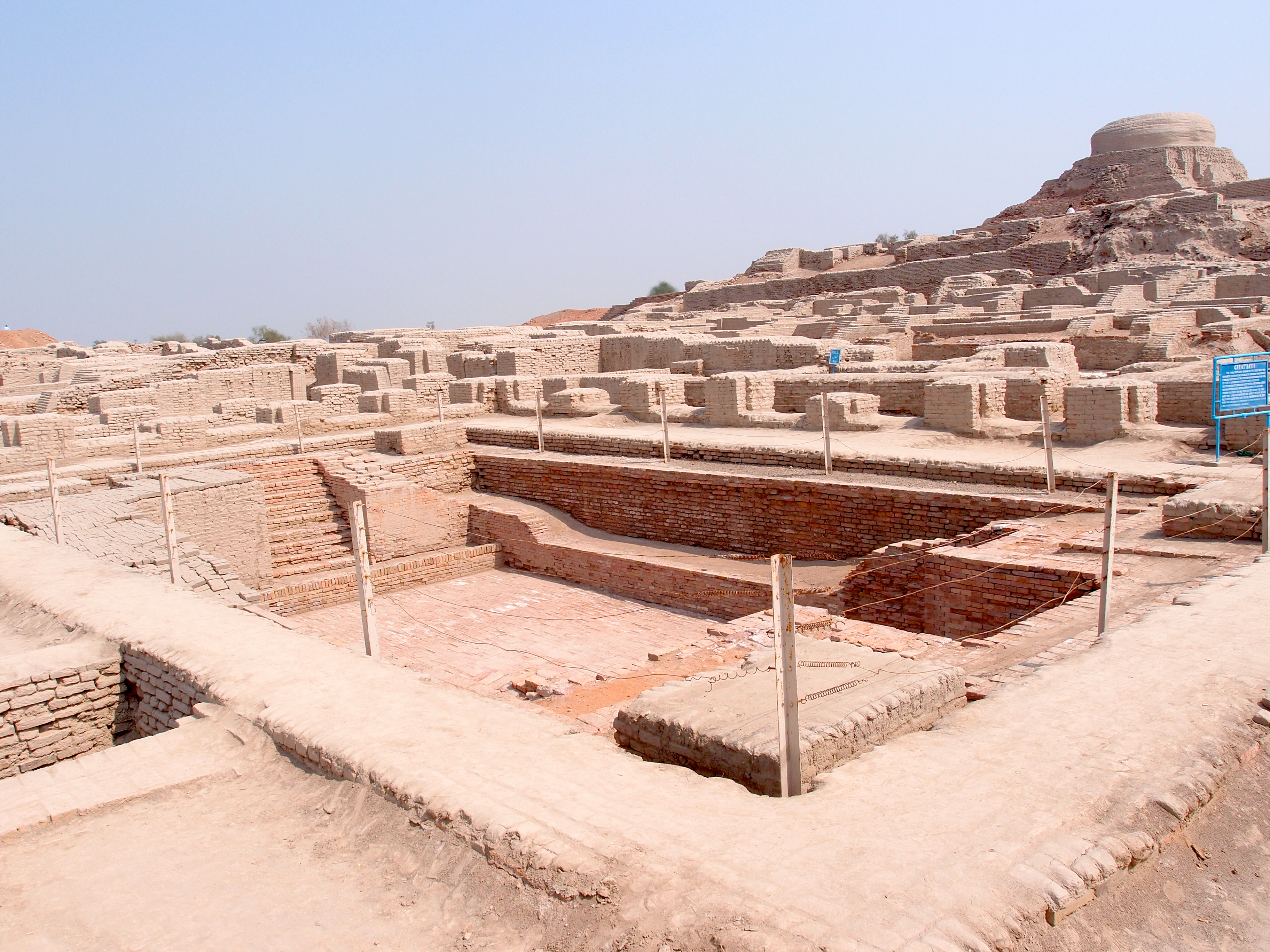
The Barley of Karanpura: What Flotation Samples Reveal About Late Harappan Crop Choice in Rajasthan
Flotation samples from Karanpura, Rajasthan, reveal how Late Harappan farmers adapted to shifting monsoons by prioritizing drought-resistant barley over wheat, challenging theories of sudden agricultural collapse.
Rohan Bhattacharya · Sep 6, 2026
Recent translations
All texts →Sanskrit
Arthashastra
Chapter 150 · Book 15, Chapter 1: Paragraphical Divisions of This Treatise
Updated Jul 26, 2026
Sanskrit
Arthashastra
Chapter 149 · Book 14, Chapter 4: Remedies against the Injuries of One's Own Army
Updated Jul 26, 2026
Sanskrit
Arthashastra
Chapter 148 · Book 14, Chapter 3: The Application of Medicines and Mantras
Updated Jul 26, 2026
A note on tone
Swaveda is curious, careful, and dry. There’s no civilizational chest-thumping in either direction here — no “Vedic India invented everything,” no “everything came from outside.” If we get something wrong, tell us. We fix it visibly, with a dated note.