Swaveda
Indian history, grounded in evidence.
We cover Indian history through genetics, archaeology, linguistics, and primary-source translation. Every claim cites a source. Contested topics are labeled Scholarly debate — with the actual scholarly debate, not a tidy answer.
Cited or it doesn't run
Articles publish only with at least one peer-reviewed citation, ASI report, or primary-text reference.
Contested means contested
Indo-Aryan migration, Vedic dating, Indus script, caste origins — flagged and presented as a debate, not a verdict.
Tradition ≠ evidence
“The Mahabharata describes…” and “the Mahabharata war happened in…” are different sentences. We keep them separate.
Latest stories
All stories →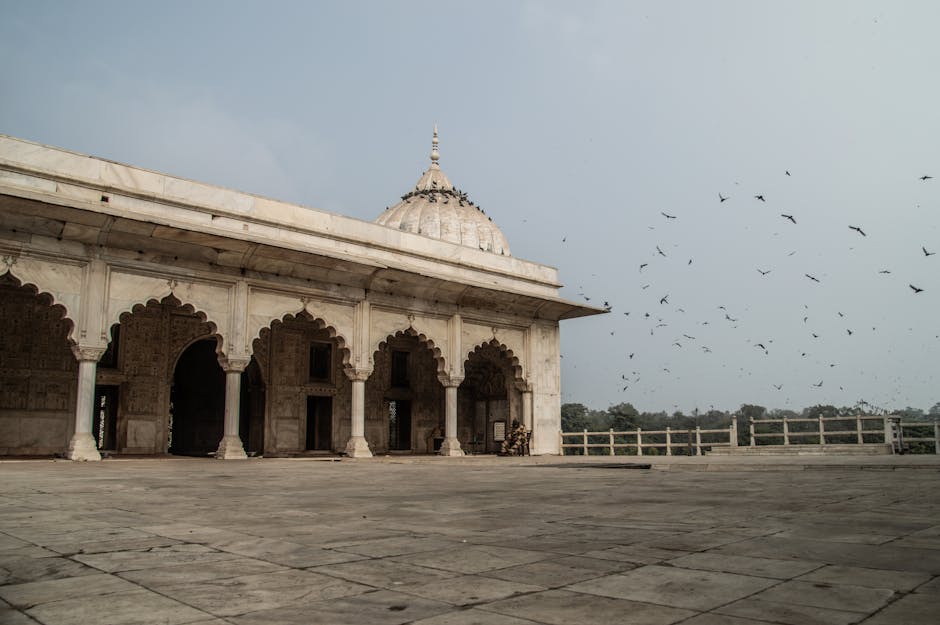
The Ghost of Khariboli: How a Delhi Market Dialect Became an Empire's Two Languages
A Delhi marketplace dialect split into Hindi and Urdu not by accident, but by deliberate choices of empire and politics. Etymology reveals how power reshapes language, one vowel at a time.
Asha Naidu · May 7, 2026
 myth vs. evidenceepic dating
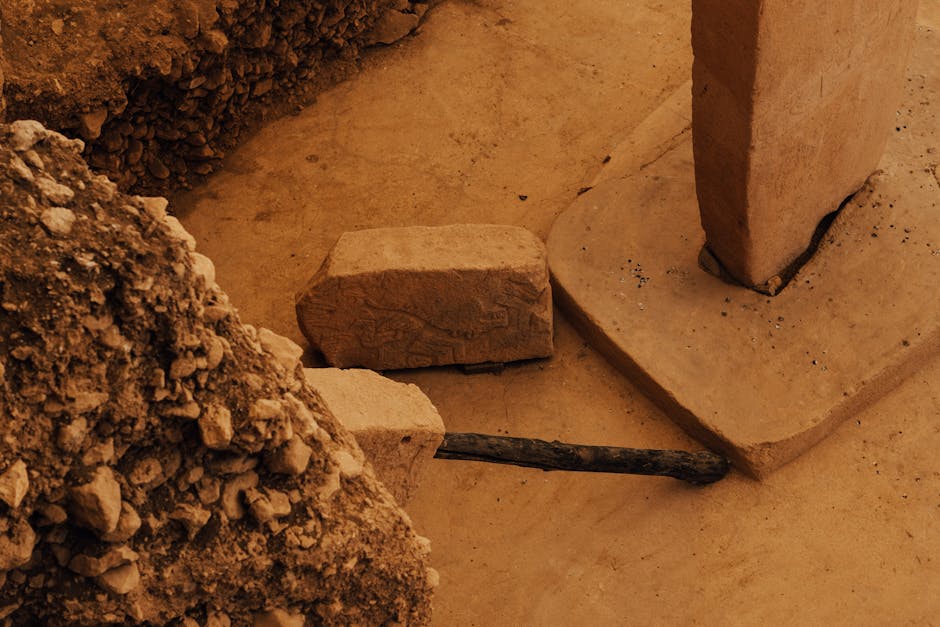
Iron Weapons, Wide Margins: What Thermoluminescence Really Tells Us About Kurukshetra
Thermoluminescence dates from Kurukshetra iron weapons span 2,300 years. Scholars remain deadlocked, revealing why archaeology cannot resolve what tradition claims with precision.
Vikram Joshi · May 7, 2026
 Linguisticsetymology
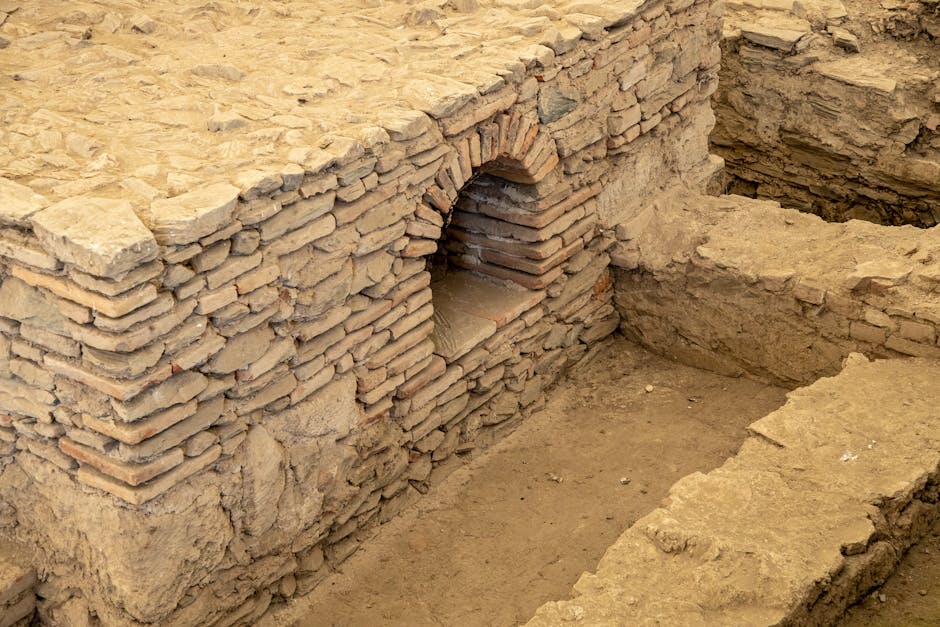
The Grierson Gap: Why India's Language Count Jumped From 179 to Nearly 20,000
Grierson's 1898–1928 survey found 179 languages. Today's counts range from 325 to 19,500. The gap reflects methodology, not error.
Asha Naidu · May 7, 2026
 daily lifefood
The Wall Before the City: How Mohenjo-daro's Layers Are Rewriting Urban Origins
New excavations at Mohenjo-daro are raising questions about when its massive wall was built and what it reveals about how cities actually grow—not as sudden blueprints, but as gradual experiments.
Kavya Sharma · May 7, 2026
 myth vs. evidenceepic dating
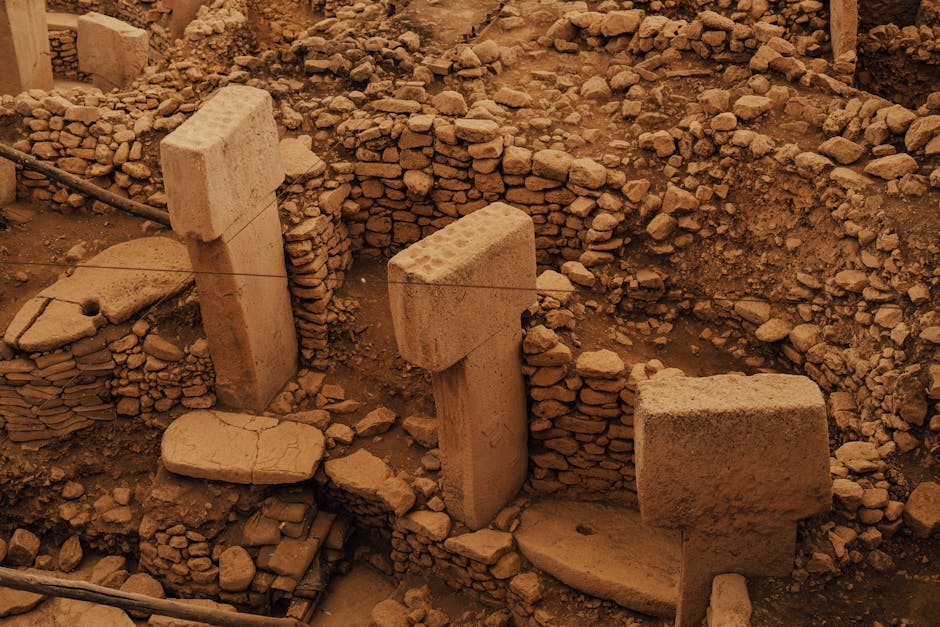
When Rivers Ran Low: How Harappans Adapted to Centuries of Drought
A 2025 climate study shows the Indus Valley civilization adapted to recurring droughts over centuries—not sudden collapse. New evidence reframes how we read ancient decline narratives.
Vikram Joshi · May 7, 2026
Recent translations
All texts →A note on tone
Swaveda is curious, careful, and dry. There’s no civilizational chest-thumping in either direction here — no “Vedic India invented everything,” no “everything came from outside.” If we get something wrong, tell us. We fix it visibly, with a dated note.