The Stratigraphy of Sinauli: Radiocarbon Dates, Timber Cores, and the OCP Boundary at the Yamuna-Ganga Doab
Direct radiocarbon dates from timber grave goods at Sinauli ground the Yamuna-Ganga Doab timeline in physical trench profiles, testing whether the site belongs to Late Harappan horizons or Ochre Coloured Pottery traditions.

Rohan Bhattacharya for SwavedaNovember 8, 2026
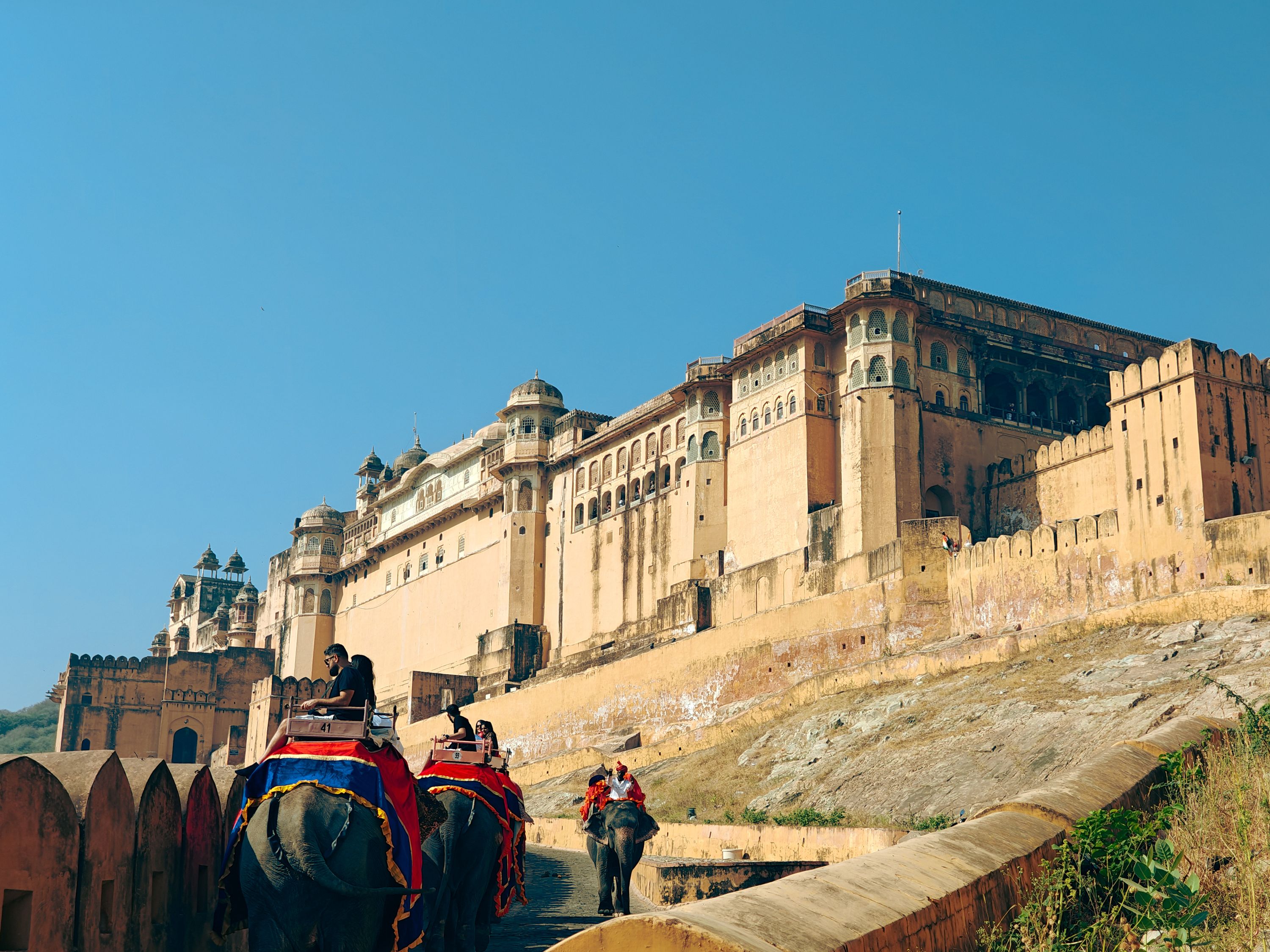
When field excavators dig through the fine alluvial silt of the Ganga-Yamuna Doab (the alluvial plain between the Ganges and Yamuna rivers), the boundaries between cultural horizons rarely present themselves as neat lines. At Sinauli, located in the Baghpat district of western Uttar Pradesh, the soil profiles have yielded complex burial pits that challenge straightforward chronological classification.
The site first drew systematic attention when the Archaeological Survey of India (ASI) conducted excavations led by D. V. Sharma in 2005–2006 (Wikipedia), unearthing extended extended burials associated with redware ceramics. A second phase of excavation in 2018, directed by Sanjay Kumar Manjul of the ASI (The Print), exposed a distinct necropolis containing copper-decorated wooden coffins, antenna-hilted swords (swords featuring a hilt terminating in two curved prongs), and wooden vehicles with solid-disk wheels protected by copper plating (Cambridge University Press).
These discoveries ignited debates over whether the site represents an eastern extension of the Late Harappan (the post-urban phase of the Indus Valley Civilization) or belongs to the Ochre Coloured Pottery (OCP) culture, a regional Chalcolithic (Copper Age) tradition known across the upper Doab. Resolving this question requires looking beyond headline descriptions and examining the physical stratigraphy (the analysis of soil layers and their relative sequence) alongside direct radiocarbon determinations.
Ceramic Horizons and Layer Interfaces
In the trench sections across the Sinauli mound, the upper deposits contain rolled and weathered sherds typical of OCP horizons. Ochre Coloured Pottery is historically defined by its fugitive slip—an outer clay wash that easily rubs off—and its porous texture, often caused by prolonged exposure to water logging in the alluvial plain.
In classic Doab stratigraphy, as reported in journals such as Man and Environment and Puratattva, OCP layers frequently appear beneath or alongside Late Harappan assemblages, creating diagnostic challenges for excavators. At sites like Hulas and Hastinapur, the transition between Late Harappan redware—distinguished by dish-on-stands and perforated jars—and OCP ceramic forms is often blurred by bioturbation (the disturbance of soil layers by root growth or animal activity).
At Sinauli, the pit cuts for the timber-lined burials penetrate directly through the alluvial stratigraphy. Excavators noted that while the ceramic forms within the grave pits show clear affinities with Late Harappan styles, they are found in direct association with copper antenna swords—artifacts traditionally cataloged as diagnostic components of the Copper Hoard culture (Heritage: Journal of Multidisciplinary Studies). This co-occurrence in sealed burial context demonstrates that the ceramic repertoire and the metalwork were deposited contemporaneously, rather than representing separate, successive occupation phases.
Accelerator Mass Spectrometry Dates from Organic Components
For decades, establishing absolute timelines for the OCP/Copper Hoard complex relied on thermoluminescence dating of weathered pottery sherds, which often yielded wide margins of error. The discovery of preserved organic material inside the sealed burial pits at Sinauli provided an opportunity for direct Accelerator Mass Spectrometry (AMS) radiocarbon dating—a technique that counts individual carbon-14 atoms to yield precise dates from small organic samples (CIRAM).
⚖ Scholarly debate
In a peer-reviewed study published in Radiocarbon, researchers presented AMS determinations from carbonized seeds and organic sediment residue extracted from the wooden coffin structures (Cambridge University Press). A carbonized seed sample (labeled SNLRC-3) yielded a radiocarbon age of 3457 ± 31 years Before Present (BP), which calibrates to approximately 1900–1800 BCE (Cambridge University Press). Sediment organic matter recovered from the decomposed coffin wood (SNLRC-1) returned a complementary radiocarbon age of 3500 ± 127 years BP (Cambridge University Press).
Scholars debate the historical interpretation of these physical dates. One perspective, articulated in reports by the ASI, views these determinations around 2000–1800 BCE as evidence of an indigenous, highly organized warrior tradition in the Ganga-Yamuna Doab that developed parallel to late urban Harappan phases (Cambridge University Press).
Conversely, Indologists such as Asko Parpola argue in Studia Orientalia that the solid-wheeled wooden vehicles represent bull-pulled carts rather than horse-drawn spoked-wheel chariots (Studia Orientalia). Parpola suggests the material assemblage—particularly the combination of solid-disk wheel transport and antenna-hilted swords—points to cultural contact with Central Asian Bronze Age horizons, such as the Bactria-Margiana Archaeological Complex (BMAC) (Studia Orientalia).
Grounding the Doab Chronology
The stratigraphy of Sinauli indicates that the strict separation long drawn between Late Harappan farming communities and OCP Copper Hoard groups does not reflect trench-level reality. The physical evidence shows that around 1900 BCE, communities in the upper Yamuna basin utilized advanced copper metallurgy, elaborate mortuary woodcraft, and regional ceramic styles simultaneously.
By tying radiocarbon determinations directly to recovered structural timber and sealed seed samples, the ongoing work at Sinauli shifts the regional timeline away from broad stylistic assumptions and anchors it in verifiable physical layers.