The Stones of Kashi: What Epigraphic Reuse and Deccan Scripts Reveal About Medieval Pilgrimage Networks
While political debates focus on demolition, the ASI’s documentation of Telugu, Kannada, and Grantha inscriptions at Gyanvapi reveals a complex story of medieval southern pilgrims and patrons in Varanasi.

Rohan Bhattacharya for SwavedaOctober 9, 2026
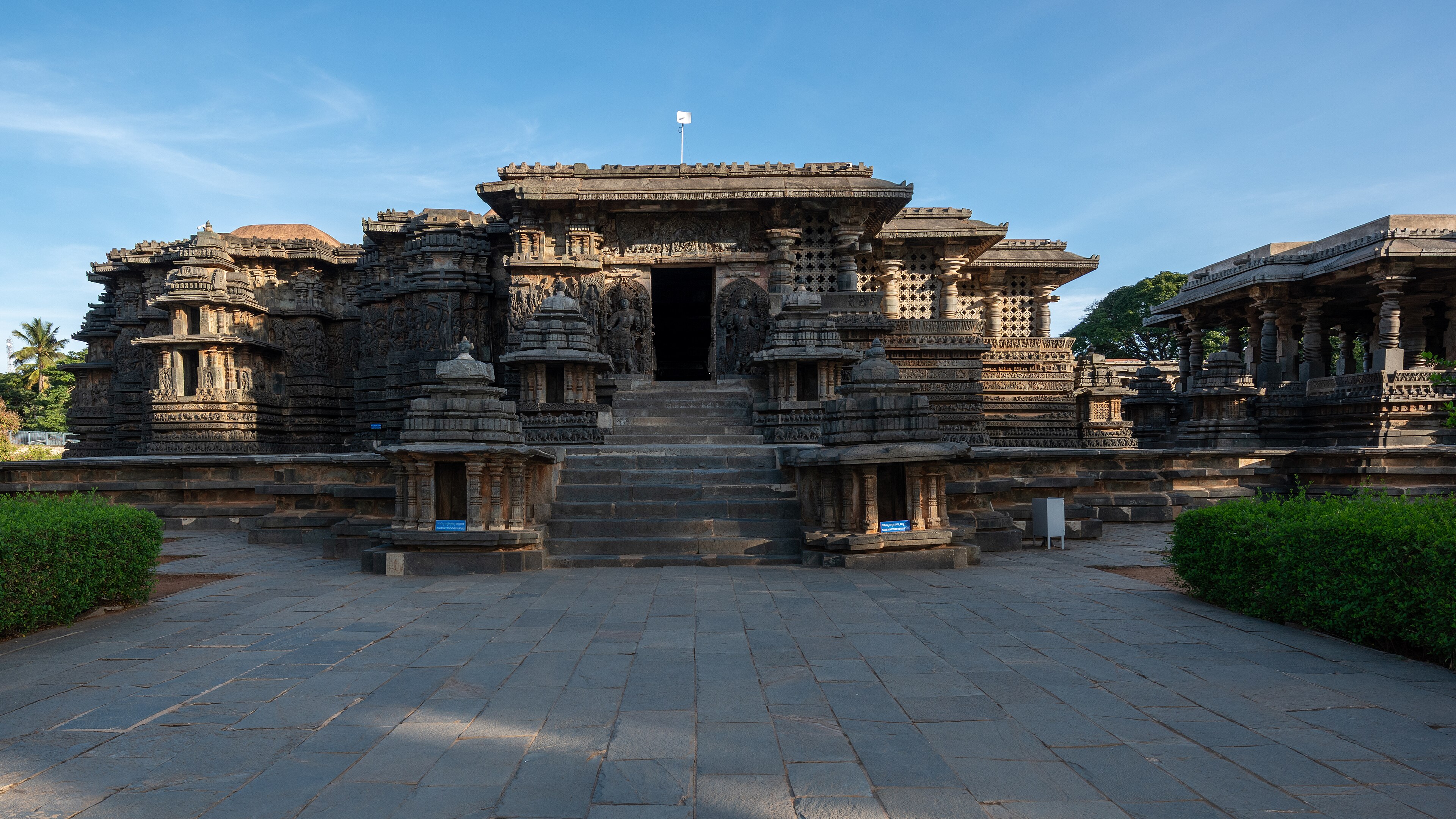
The physical walls of the Gyanvapi precinct in Varanasi contain a dense layer of epigraphic history that points to a highly connected, multi-regional network of southern pilgrims and patrons leaving physical traces in early medieval northern India. While public debate continues to focus heavily on the political implications of structural demolition, field epigraphists are looking closely at the stones themselves. The structural sequence of the site, as documented by the Archaeological Survey of India (ASI), contains a complex record of epigraphic reuse, where blocks of stone bearing southern scripts were repurposed into the standing architecture.
For those who study stratigraphy—the analysis of layered remains—and the slow movement of ancient and medieval travelers, these stones represent a tangible archive. They challenge the common assumption of rigid regional divides in medieval India, pointing instead to a continuous flow of people, patronage, and language between the Deccan and the Gangetic plains.
Deciphering the Deccan Scripts
During its scientific survey of the Gyanvapi mosque complex, the ASI recorded a total of 34 inscriptions. According to the ASI survey report, these epigraphs were carved on stones belonging to pre-existing temple structures which were subsequently modified and reused during the construction or repair of the existing mosque walls and pillars.
The linguistic distribution of these inscriptions is highly specific. While many are written in Sanskrit using the Devanagari (a northern script used for Sanskrit and Hindi) writing system, a significant portion is engraved in southern scripts, specifically Telugu, Kannada, and Grantha (a southern script historically used to write Sanskrit).
According to epigraphists led by K. Muniratnam Reddy, the ASI’s director of epigraphy in Mysuru, these southern inscriptions date primarily from the 15th to the 17th centuries CE. They represent direct physical evidence of visitors from the Deccan and further south who traveled to Kashi, the traditional name for Varanasi, to perform rituals, dedicate charities, and record their presence on the temple fabric.
The Names of the Devotees
Rather than royal panegyrics or grand state proclamations, many of these inscriptions are personal and devotional. The ASI report lists 14 distinct personal names recovered from the stone faces, including names typical of southern lineages such as Sajalla, Aryavati, Sumbhaji, Sonaji, Mallana-bhatlu, and Narayana-bhatlu.
One particularly notable inscription is engraved in the Telugu language on a wall of the mosque. Though damaged and incomplete, it explicitly mentions Mallana-bhatlu and Narayana-bhatlu. Epigraphists have pointed out the historical significance of this specific find. Narayana-bhatlu was a famous Telugu Brahmin scholar who supervised the reconstruction of the Kashi Vishwanath temple in 1585 CE, under the patronage of Raja Todarmal, the finance minister of the Mughal emperor Akbar. The occurrence of this name on the stones provides a direct material link to the recorded history of southern intellectual and architectural leadership in medieval Varanasi.
Other stones tell simpler, quieter stories of patronage. A Kannada inscription records the reverence of two individuals named Dodarasayya and Narasimha from the 16th century CE. Another inscription, written in the Tamil script, appears to reference a charity established by an individual named Narayanan Raman around the same period.
On the northern side of the mosque's main entrance, the ASI deciphered a heavily damaged 15-line inscription dating to the 15th century CE. Although the characters are highly worn, epigraphists determined that it likely records a gift made to fund a perpetual lamp within the temple complex.
Mapping the Pilgrim Networks
For archaeologists, these inscriptions function like ancient transit stamps. They show that early modern Varanasi was not merely a local northern shrine, but an active, multi-lingual pilgrimage node drawing patrons from thousands of kilometers away.
The presence of the term Maha-muktimandapa (great pavilion of liberation) across three separate inscriptions is particularly telling. It matches descriptions found in contemporary Puranic (ancient Sanskrit mythological texts) literature that detail the specific ritual spaces of the Kashi temple complex. For pilgrims traveling from the Deccan, finding their names or acts of charity carved alongside this terminology on the stone pillars cemented their spiritual and social standing within a wider trans-regional network.
This phenomenon of epigraphic reuse—where older inscribed blocks are built into newer walls—can make exact stratigraphic dating difficult. However, by analyzing the palaeography (the study of ancient writing styles) of the Kannada, Telugu, and Grantha characters, epigraphists can securely place these carvings in the centuries preceding the mosque’s construction in 1676–1677 CE during the reign of Aurangzeb.
By studying these reused stones not merely as structural components, but as epigraphic landscapes, archaeology reveals how deep the southern roots in Kashi truly ran. Long before modern transit, southern pilgrims and scholars did not just visit the Gangetic plains; they actively built, funded, and left their physical signatures on the very stones of Varanasi.