The Stepwell as Maritime Hinterland Monument: Epigraphic and Numismatic Evidence for Solanki Trade Networks at 11th-Century Patan
Rani ki Vav is famed for its subterranean architecture. Epigraphic and numismatic evidence reveals how its construction by Queen Udayamati was underwritten by Solanki taxation of Indian Ocean trade routes.

Devika Menon for SwavedaNovember 5, 2026
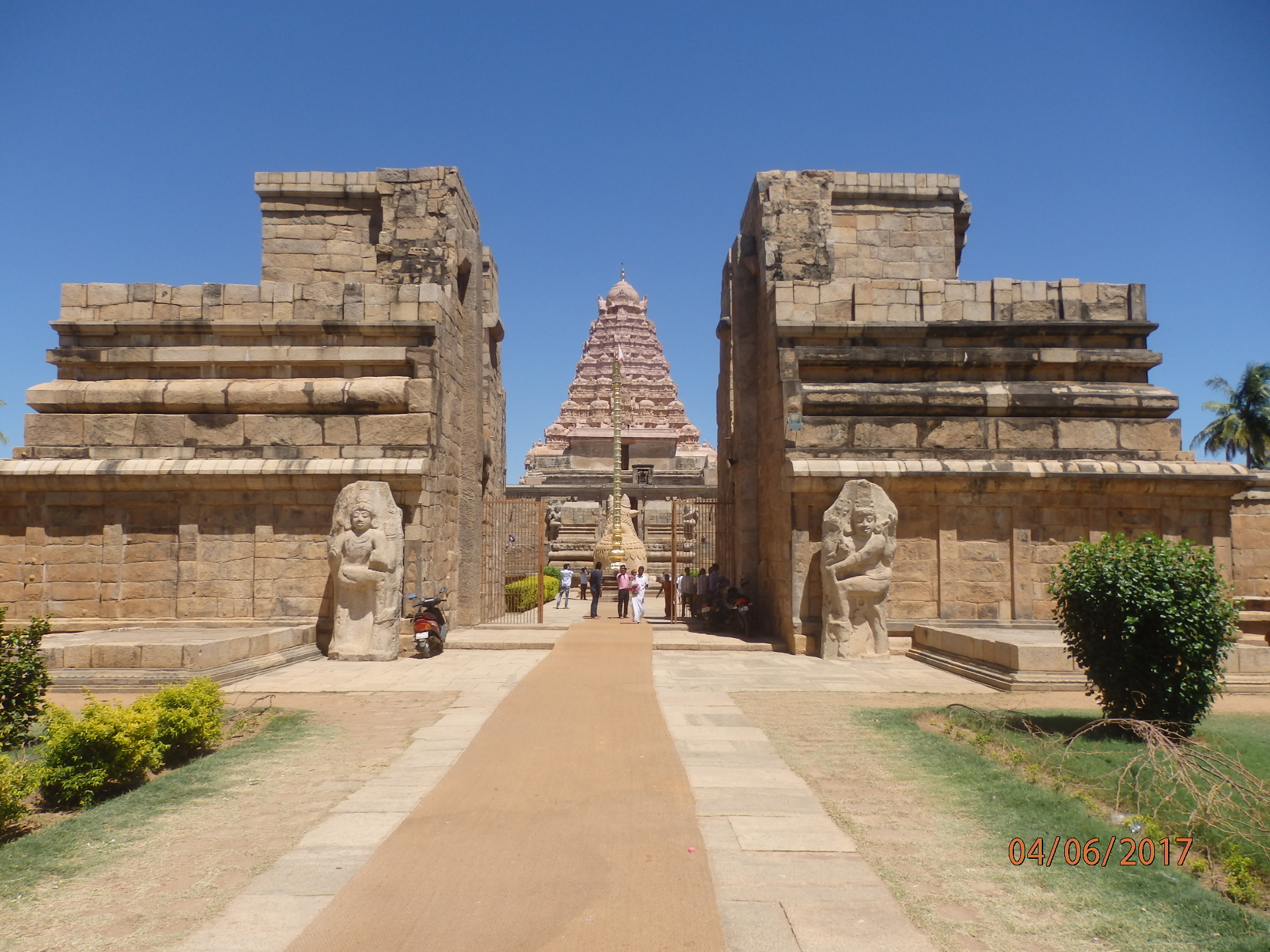
The subterranean shrine of Rani ki Vav in Patan descends seven terraced storeys into the alluvial soil of the Saraswati River basin. Built under the patronage of Queen Udayamati following the death of King Bhima I (r. c. 1022–1064 CE), the structure features over 500 principal sculptures and more than 1,000 minor reliefs carved from sandstone. Art-historical literature often analyzes the site through its religious iconometry and Maru-Gurjara (Solanki-style) architectural syntax. However, numismatic distribution patterns and contemporary Solanki epigraphy reveal a different structural reality: the stepwell served as an inland civic monument funded by maritime taxation levied along the Gulf of Khambhat.
The construction of monumental public waterworks in 11th-century Gujarat required vast expenditures of silver bullion and specialized stone. In the Prabandha-Chintamani (1304 CE), the Jain chronicler Merutunga credits Queen Udayamati with commissioning the vav (stepwell) at Anahilapataka (modern Patan). The administrative capital sat far inland, separated from the coast, yet its treasury was tied directly to the commercial sea-lanes of the Arabian Sea.
The Coinage of Solanki Inland Extraction
The economic machinery of the Solanki state rested on the circulation of dramma (drachm) coinage, commonly documented in western Indian hoards as Gadhaiya paisa. These billon and debased silver pieces trace their visual typology to Indo-Sasanian prototypes, featuring a highly stylized royal head on the obverse and an abstract fire altar on the reverse.
Numismatic hoards cataloged across northern Gujarat and Saurashtra demonstrate that Gadhaiya drachms functioned as the standard transactional currency for state tariffs. Unlike the agrarian land-grant economies of contemporary inland dynasties, the Solanki treasury under Bhima I extracted customs duties (sulka) from goods entering coastal embayments. Tax revenues collected at maritime customs posts were converted into standard dramma weight units to pay stonecutters (sutradhara), masons, and sculptors at Patan.
+-----------------------------------------------------------------------+
|                       INDIAN OCEAN SEA ROUTES                         |
|      (Persian Gulf, Red Sea, Malabar, & Southeast Asian Ports)        |
+-----------------------------------------------------------------------+
                                   |
                                   v
+-----------------------------------------------------------------------+
|                    SOLANKI COASTAL EMPORES / PORTS                    |
|             Stambhatirtha (Cambay / Khambhat) & Somnath               |
|      Customs Duties (Sulka) extracted on horses, silk, & spices      |
+-----------------------------------------------------------------------+
                                   |
                                   v
+-----------------------------------------------------------------------+
|                     NUMISMATIC REGULARIZATION                         |
|     State collection converts tariffs into Billon/Silver Drammas      |
|                      (Gadhaiya Paisa currency)                        |
+-----------------------------------------------------------------------+
                                   |
                                   v
+-----------------------------------------------------------------------+
|                     INLAND MONUMENTAL INVESTMENTS                     |
|           Anahilapataka Capital Treasury (Solanki State, Patan)       |
|    Funding labor & stone extraction for Rani ki Vav subterranean site |
+-----------------------------------------------------------------------+
Coastal Ports as Fiscal Engines
Primary epigraphic evidence links the crown's building program to revenue from port networks. Solanki royal charters from the 11th and 12th centuries document the administrative oversight of two major ports: Stambhatirtha (modern Cambay or Khambhat) and Somnath-Patan.
Evidence shows that customs posts at Khambhat processed high-value maritime cargo, including Arabian warhorses, raw silk, and spices imported from the western Indian Ocean littoral. State collectors levied ad valorem taxes on ship arrivals at the gulfhead. Epigraphic inscriptions from Saurashtra confirm that local port officers (pattanapathi) remitted a fixed share of harbor dues to the central capital at Anahilapataka.
This maritime surplus sustained the royal household during the political stabilization following the raid of Mahmud of Ghazni in 1024–1025 CE. Rather than causing a permanent collapse, the state rebuilt its financial core through maritime trade, allowing Bhima I and Udayamati to undertake massive infrastructure projects.
Architectural Scale and Hinterland Commodity Flow
The raw materials for Rani ki Vav—primarily grey sandstone—were quarried miles away and hauled along overland trade routes to the Saraswati floodplain. Transporting tons of dressed stone, erecting subterranean pillar shafts, and securing water-management masonry required constant resource streams that agrarian taxes alone could rarely provide in semi-arid northern Gujarat.
The architectural program itself reflects this inland-coastal economic synthesis. Intricate carvings of weavers and textile motifs match the geometric patterns found on contemporary Patola (double-ikat silk) fabrics produced in Patan. These silk textiles were primary export commodities shipped from Cambay to markets across South and Southeast Asia. The stepwell's walls capture the visual vocabulary of the state's most profitable export product.
        =====================================================
        Subterranean Level 1 : Upper Stepped Corridor
        =====================================================
           |        |        |        |        |        |
        =====================================================
        Subterranean Level 3 : Sculpted Wall Galleries
        (Reliefs of Vishnu avatars & Patola textile motifs)
        =====================================================
           |        |        |        |        |        |
        =====================================================
        Subterranean Level 7 : Cistern Reservoir & Deep Well
        (27-meter depth reaching alluvial aquifer)
        =====================================================
By reading Rani ki Vav through its numismatic context rather than purely through iconographic frameworks, scholars trace the flow of wealth from Indian Ocean trade routes into subterranean civic architecture. The stepwell stood as an inverted temple honoring water, but its structural existence was anchored by the tariffs collected at the edge of the sea.