The Soapstone Sculptors of Belur: What Signed Hoysala Statuary Reveals About Medieval Deccan Artisan Guilds
Inscriptions on the 12th-century soapstone sculptures of Belur reveal named sculptors like Dasoja and Chavana, documenting trade guilds and hereditary artisan lineages under Hoysala royal patronage.
Kavya Sharma for SwavedaOctober 14, 2026
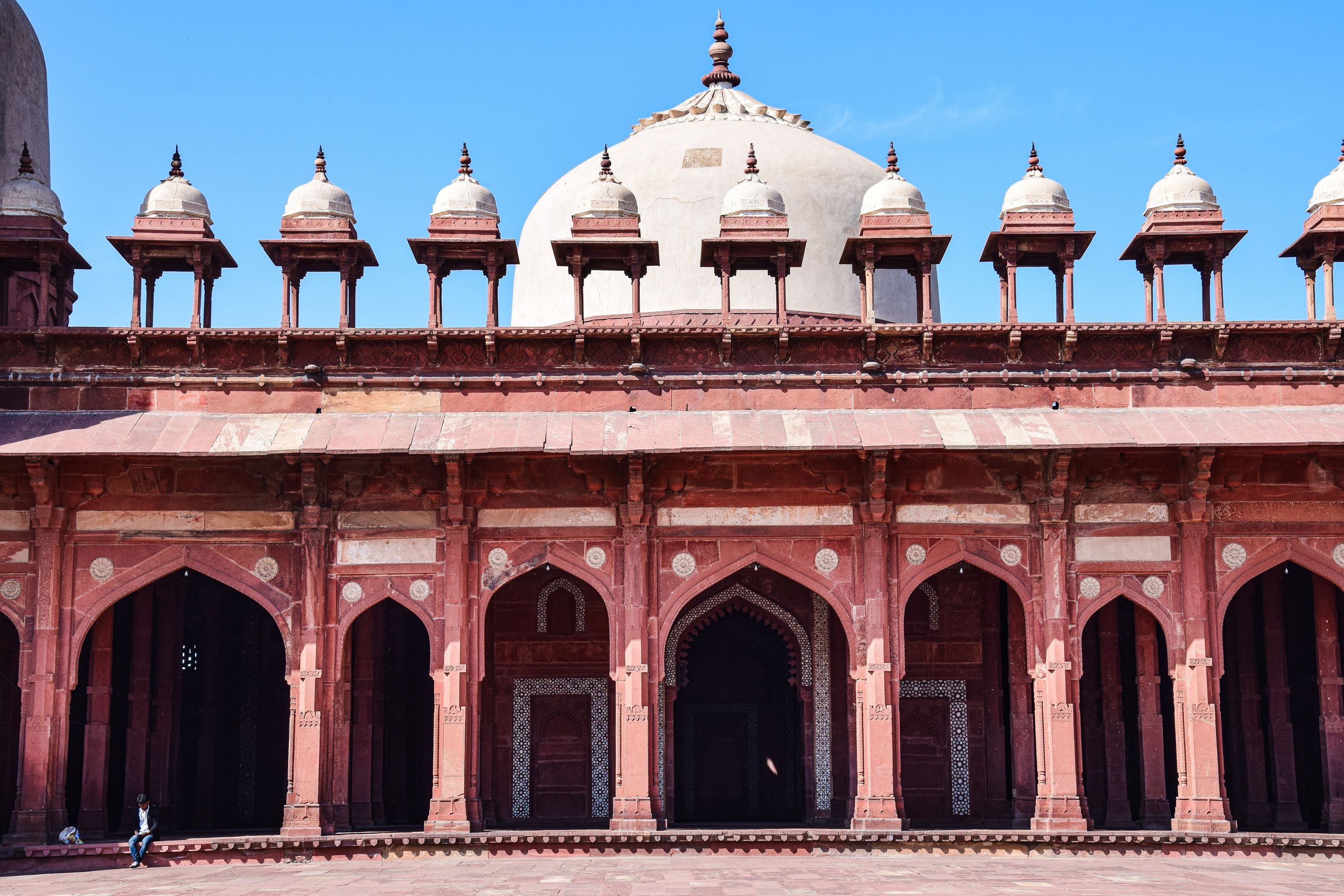
To hold a piece of raw chloritic schist is to understand why the builders of the medieval Deccan chose it above all other stone. Soft and easily carved when freshly quarried, this greenish soapstone hardens upon long exposure to air and rain. In the hands of 12th-century sculptors, it yielded details so fine that a stone fingernail could be hollowed out, or a single strand of hair carved into an intricate scroll.
When King Vishnuvardhana commissioned the Chennakeshava Temple at Belur in 1117 CE to mark his victories and consolidate Hoysala power on the banks of the Yagachi River, the stone became a canvas not just for divine imagery, but for individual identity. Unlike the vastly anonymous monuments of earlier South Asian dynasties, the brackets, pillars, and plinths of Belur carry a remarkable record: explicit, self-confident signature inscriptions carved directly into the bases of stone figures.
At Belur, medieval art history loses its anonymity. Epigraphic records reveal the names, origins, guilds, and professional rivalries of master sculptors who traveled across the region, turning royal patronage into a family craft passed down across generations.
Epigraphic Evidence and the Migration of Craftsmen
In typical temple epigraphy across classical India, donors and kings recorded their lineage, while the sculptors remained absent. The Hoysala court broke decisively with this convention. At Belur, sculptors etched short labels, epithets, and full signatures onto the pedestals of bracket figures (madanikas) and wall panels.
Among the prominent names carved into the chloritic schist are a father and son duo from central Karnataka: Dasoja and his son Chavana. Their signatures do not merely record their names; they provide geographical roots. Inscriptions identify the father as Balligaveya ruvari Dasoja—meaning "the sculptor Dasoja from Balligavi". Balligavi, located in present-day Shivamogga district, was a major cultural and artistic hub under Western Chalukya rule.
Evidence shows that as Hoysala kings expanded their territory, master craftsmen migrated south from established Chalukyan workshop hubs toward new political centers like Belur and Halebidu. Chavana, following his father's craft, carved his own devotion into the stone, calling himself a "bee at the lotus feet of the god Dharmeshvara of Balligamve".
These signatures reveal an organized mobility. Sculptors were not ad-hoc labor pulled from local fields, but highly trained mobile specialists who brought mature regional styles into new royal building projects.
Guild Structure, Hereditary Lineages, and Titles
The inscriptions at Belur provide a rare glimpse into medieval guild systems (shreni or gana) and artisan hierarchies. Sculptors frequently signed their names alongside guild affiliations and professional epithets.
Dasoja signed some of his creations with the phrase Sarasvatiganadasi, indicating membership in or service to a guild dedicated to Saraswati, the deity of arts and learning. Other titles preserved in stone reveal a competitive, vibrant professional culture. Sculptors adopted boastful professional epithets, such as Birudaruvari Gandalabadiva (meaning "from a crowd of titled sculptors") or claims of being a "tiger among sculptors."
These epigraphic formulas indicate that stone carvers operated within formal hereditary lineages (parampara). A father taught his son the geometry of proportional layout, the physics of soapstone splitting, and the iconographic canons dictated by manuals. Chavana worked alongside Dasoja at Belur for several years, carving four distinct madanika figures—including a huntress and a dancer—before moving on to other royal site assignments across the Hoysala realm.
This hereditary training ensured that specialized technical knowledge survived across generations. The entire Chennakeshava Temple complex took 103 years to complete, spanning three generations of Hoysala rulers. The continuity of architectural style and sculptural precision over a century was sustained by these professional artisan lineages working within regulated guilds.
Materiality: Working Soft Chloritic Schist
The physical reality of soapstone governed how these artisan guilds organized their work. Quarried locally in Karnataka, chloritic schist is composed largely of talc, chlorite, and amphibole minerals. When damp and newly extracted from the earth, the stone possesses a soapy texture and relatively low hardness, allowing sculptors to cut deep undercuts, delicate beadwork, and filigree jewelry using simple steel chisels and hand drills.
Over time, exposed to air, the rock oxidizes and hardens, locking the complex geometry in place. This material quality allowed sculptors to execute works that closely resembled wood carving or ivory turning. The famous lathe-turned pillars in Belur's central hall—carved with ringed profiles and geometric bands—were executed by mounting soapstone blocks onto horizontal frames and turning them against cutting chisels while the stone remained soft.
The signatures of Dasoja, Chavana, and later masters like Ruvari Mallitamma are found precisely where the soapstone permitted such micro-carving: at the base of delicate statuettes, underneath floral arches, and on small pedestal bands.
Through a combination of soft-stone geology, mobile guild networks, and royal patronage, the artisans of the medieval Deccan secured something extremely rare for premodern craftspeople: an enduring personal record carved directly into the monuments they built.