Swaveda
Indian history, grounded in evidence.
We cover Indian history through genetics, archaeology, linguistics, and primary-source translation. Every claim cites a source. Contested topics are labeled Scholarly debate — with the actual scholarly debate, not a tidy answer.
Cited or it doesn't run
Articles publish only with at least one peer-reviewed citation, ASI report, or primary-text reference.
Contested means contested
Indo-Aryan migration, Vedic dating, Indus script, caste origins — flagged and presented as a debate, not a verdict.
Tradition ≠ evidence
“The Mahabharata describes…” and “the Mahabharata war happened in…” are different sentences. We keep them separate.
Latest articles
All articles →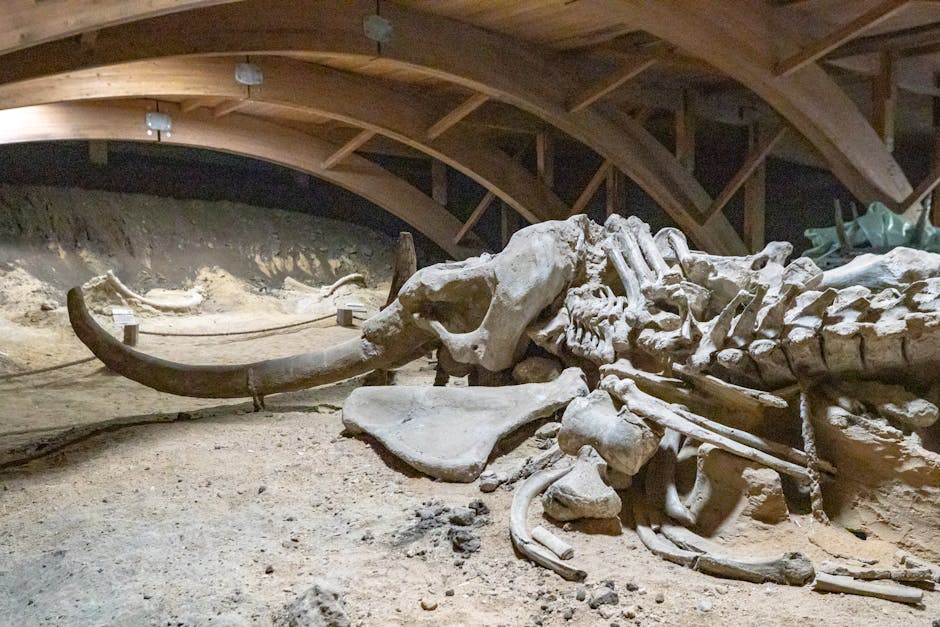
Why Harappan DNA Is Still Missing: The Preservation Problem That Leaves the Indus Valley Blank
No verified ancient DNA from Indus Valley sites has been published. The gap reflects bone preservation failures in tropical soil that make one of history's largest urban cultures a genetic blank.
Dr. Anil Patel · May 23, 2026
 Linguisticsetymology
The Double Life of 'Loot': How a Hindi Word Became English—Then Returned Changed
English borrowed 'loot' from Hindi during 1788 war trials. A century later, it returned to India meaning "bargain"—a semantic loop that tracks colonial contact and globalization.
Asha Naidu · May 23, 2026
 ArchaeologyASI fieldwork
Mehrgarh's Dating Dispute: Tooth Enamel Radiocarbon Study Challenges Long-Standing Chronology
A recent study using tooth enamel radiocarbon dating challenges decades-old claims about when farming arrived at Mehrgarh, Pakistan—a key site for understanding Neolithic South Asia.
Rohan Bhattacharya · May 22, 2026
 maritime tradeIndian Ocean networks
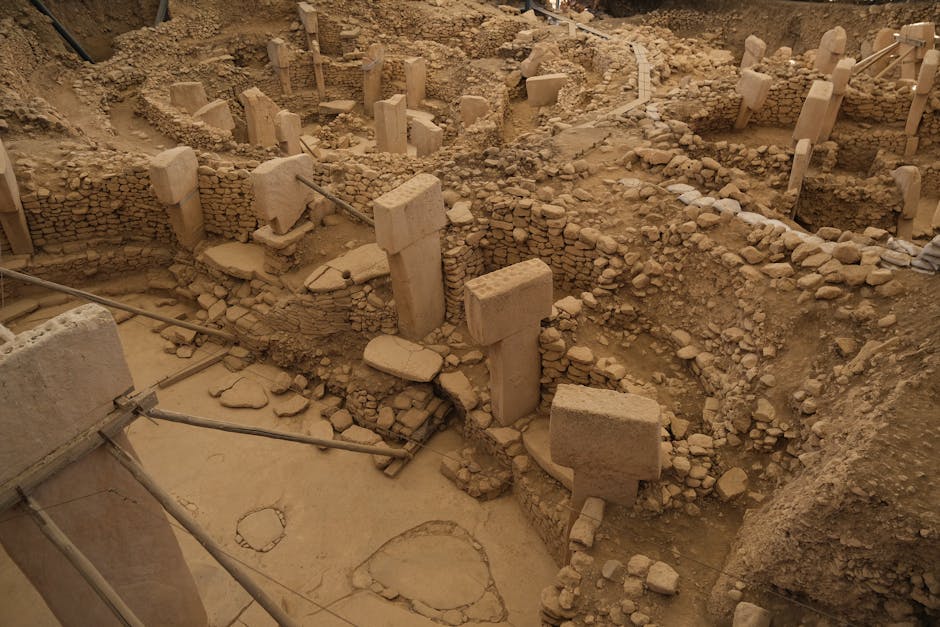
What Tamil Graffiti in Pharaonic Tombs Reveals About Sangam Traders' Reach
Scholars report Tamil-Brahmi inscriptions in Egypt's Valley of the Kings, but the discovery awaits peer-review confirmation. If verified, it would expand what we know about ancient Tamil merchants' inland reach.
Devika Menon · May 22, 2026
 ArchaeologyASI fieldwork
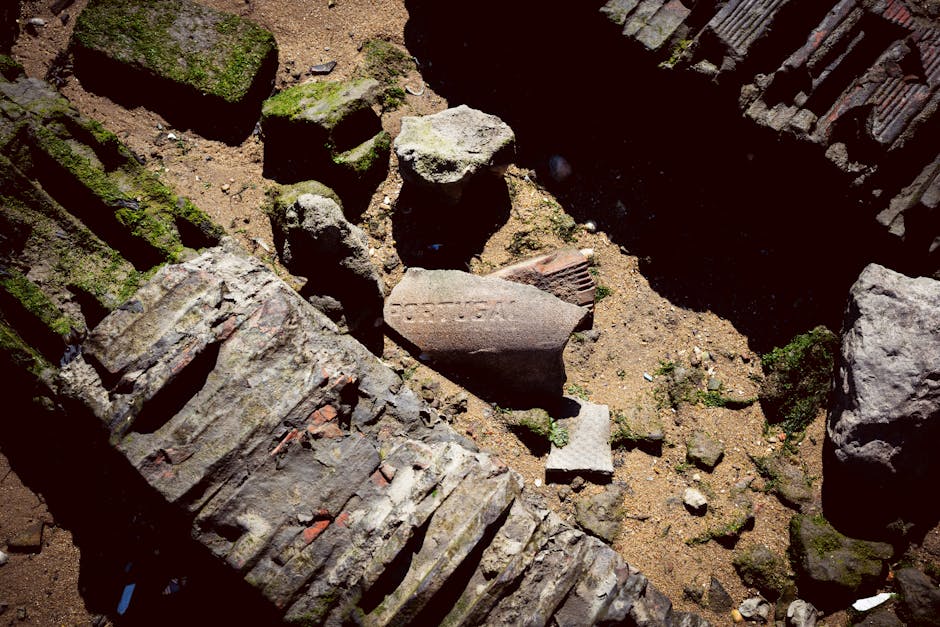
The Wall Problem: What We Know—and Don't—About Mohenjo-daro's Early Layers
New radiocarbon work on Mohenjo-daro's perimeter wall raises questions about the transition from Early to Mature Harappan urbanism—but verification of recent excavations remains incomplete.
Rohan Bhattacharya · May 20, 2026
Recent translations
All texts →A note on tone
Swaveda is curious, careful, and dry. There’s no civilizational chest-thumping in either direction here — no “Vedic India invented everything,” no “everything came from outside.” If we get something wrong, tell us. We fix it visibly, with a dated note.