The Philology of Vijayanagara Epigraphy: Translating Krishnadevaraya’s Amuktamalyada Against Domingo Paes’s Accounts
Comparing Domingo Paes's Portuguese observational account of Vijayanagara with King Krishnadevaraya's Telugu epic Āmuktamālyadā and contemporary Sanskrit inscriptions shows how foreign descriptions align with native statecraft.

Meera Iyer for SwavedaNovember 14, 2026
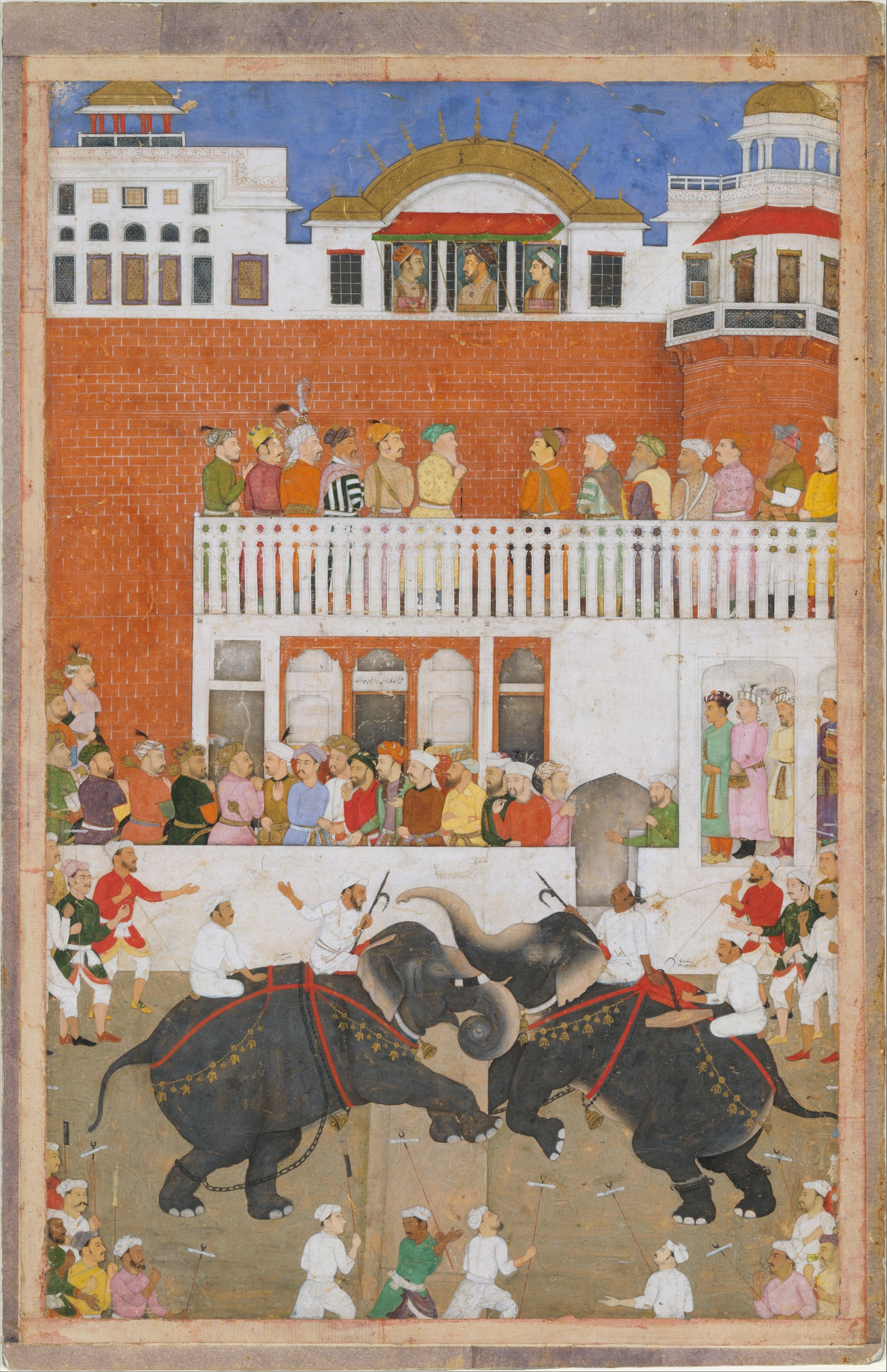
When the Portuguese merchant Domingo Paes entered the capital of the Vijayanagara Empire around 1520 CE during the reign of King Krishnadevaraya, he encountered an urban landscape shaped by monumental engineering (CICS Social Studies). In his manuscript, later titled Chronica dos reis de Bisnaga ("Chronicle of the Kings of Vijayanagara"), Paes observed the construction of a massive royal reservoir outside the city walls (Scribd).
Where Paes provided an external descriptive account of physical infrastructure, native literary and epigraphic sources supply the precise technical and administrative framework of the state. King Krishnadevaraya himself composed a masterpiece of Telugu epic poetry titled Āmuktamālyadā (Āmuktamālyadā, "Garland-Wearer Who Offered Her Garland") (Testbook). Reading Paes alongside the Āmuktamālyadā and contemporary Sanskrit inscriptions reveals how foreign eyewitness impressions map directly onto medieval South Indian terminology for urban hydraulics and royal governance.
The Vocabulary of Storage and Flow
Portuguese narratives describe hydraulic works using general observational terms. Paes wrote of a tanque (tank or reservoir) built between two hills to collect water (Public Library UK). In contrast, imperial epigraphy and court literature classify water infrastructure using functional categories.
In Sanskrit inscriptions from the region, an artificial embankment or reservoir is designated as a taṭāka (taṭāka, 'water reservoir' or 'lake') (FID4SA Repository). In regional epigraphs and Kannada or Telugu records, larger bodies of water are called kere (kere, 'irrigation tank') or sāgara (sāgara, 'ocean-sized lake') (FID4SA Repository).
The mechanics of water conveyance involve specialized vocabulary. Epigraphic records assign hydraulic engineering tasks to an official designated as a jalasūtra (jalasūtra, 'aqueduct conduit' or 'hydraulic engineer', literally 'water-thread/guideline director') (Internet Archive). The underlying technical discipline was recorded in inscriptions as jala-śāstra (jala-śāstra, 'science of hydraulics') (FID4SA Repository).
Sanskrit:    तटाक       (taṭāka)     = water reservoir
Sanskrit:    जलसूत्र     (jalasūtra)  = aqueduct conduit / hydraulic engineer
Portuguese:  tanque                   = tank / reservoir
Statecraft in the Āmuktamālyadā
In the fourth section of the Āmuktamālyadā, Krishnadevaraya writes directly on the duties of a monarch (rājanīti, 'royal policy' or 'statecraft') (Military Wiki). Evidence shows that the king framed hydraulic expansion not merely as physical construction, but as a core fiscal strategy.
In the text, Krishnadevaraya advises that a ruler should enlarge reservoirs and dig canals even when the kingdom's territory is small (Military Wiki). By granting lands under concessionary revenue arrangements—termed āri (āri, 'tax rate') and kōru (kōru, 'share of produce')—the sovereign increases the prosperity of the poor while generating imperial revenue and religious merit (dharma, 'righteousness' or 'merit') (Military Wiki).
This native prescription explains the scale of construction witnessed by Paes (CICS Social Studies). Paes described hundreds of laborers clearing stone and transporting earth to build a dam (Public Library UK). While the merchant saw an extraordinary display of royal wealth, the king's own writings document an intentional administrative model designed to maximize agricultural yields in the dry granite landscape of the Tungabhadra basin (International Journal of History and Research).
Ritual Infrastructure and Royal Title
The alignment between external observations and primary epigraphy extends beyond agricultural dams to ritual spaces. Paes recorded the grand processions of the Mahanavami festival (mahānavamī, 'great ninth day festival') held at the royal center (Scribd). He described stone platforms, stepped structures, and masonry channels designed to supply water for ritual ablutions (Slideshare).
In royal copper-plate inscriptions, these urban developments reflect the king's official titles. Epigraphic records routinely grant Krishnadevaraya the epithet Andhra Bhoja (āndhra bhoja, 'the Bhoja of Andhra', referring to the legendary king Paramara Bhoja, renowned for literature and engineering) (Wikipedia).
Scholars debate the extent to which European accounts captured the systemic nature of imperial administration. While Paes provided valuable eyewitness details regarding urban layout, market goods, and military troop numbers (CICS Social Studies), he missed the legal and religious framework governing water distribution. Primary Sanskrit and regional epigraphs document that water rights were tied to temple endowments (dāna, 'charitable donation') and maintainer duties (kere-dharma, 'duty of maintaining water tanks') (FID4SA Repository).
Comparing foreign travelogues directly with internal court epigraphy provides a complete picture of Vijayanagara. Paes captured the physical reality of the capital in 1520 CE (CICS Social Studies). Krishnadevaraya’s Āmuktamālyadā and contemporary Sanskrit inscriptions supply the underlying linguistic, administrative, and hydraulic concepts that brought the stone city into existence (Testbook).