The Philology of *Devānāṁpriya*: Translating Maurya Imperial Epigraphy Against Hellenistic Royal Titulature
Analyzing how Aśoka's title Devānāṁpriya evolved from a Mauryan imperial epithet into a grammatical anomaly in Classical Sanskrit.

Meera Iyer for SwavedaNovember 27, 2026
Listen to this article · 7 min · Read by an AI voice
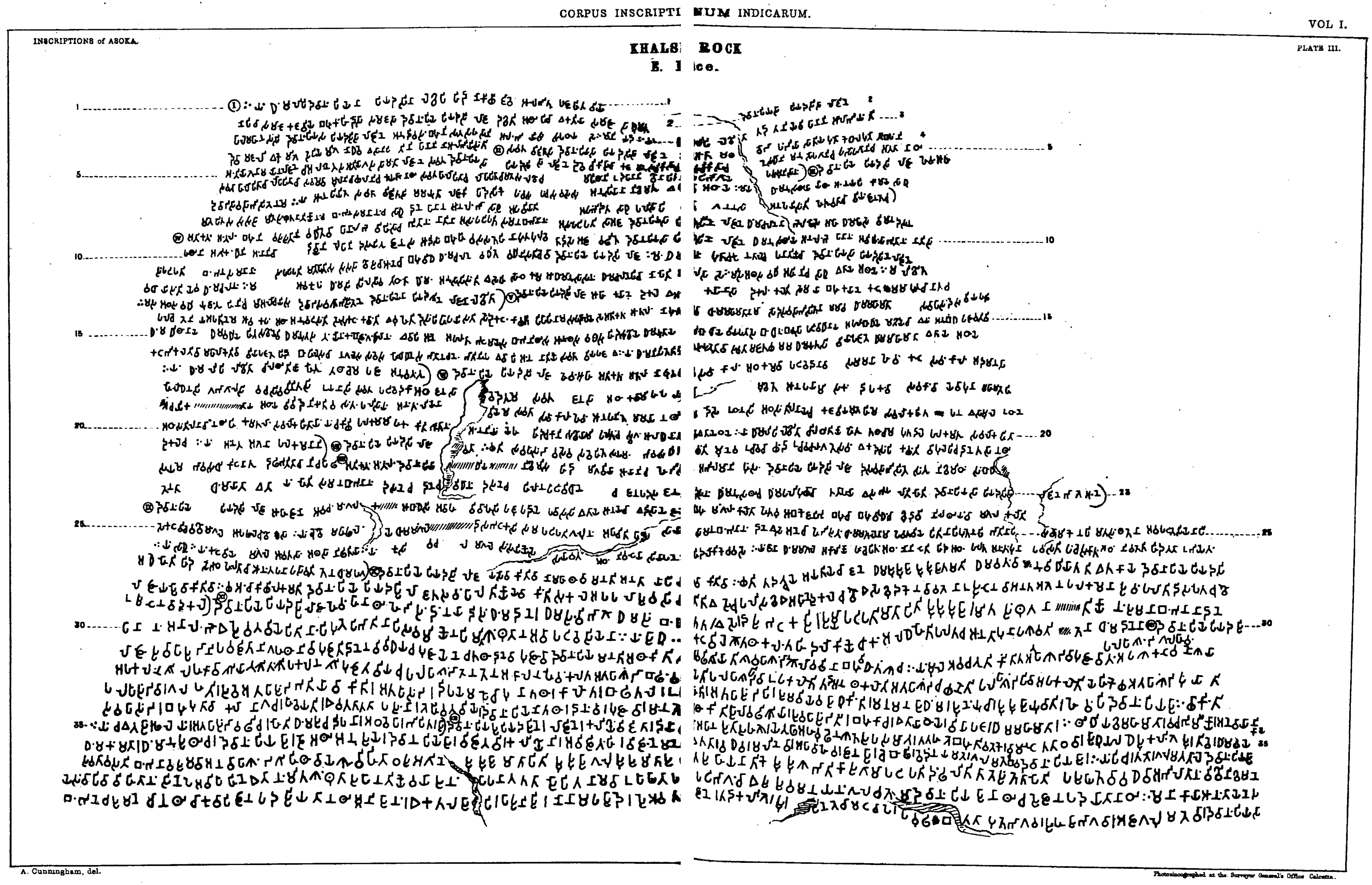
When western scholars first deciphered the Brahmi script on the rock edicts scattered across South Asia, the recurring formula Devānāṁpriya Priyadasī (𑀤𑁂𑀯𑀸𑀦𑀁𑀧𑀺𑀬 𑀧𑀺𑀬𑀤𑀲𑀺) presented a philological puzzle. The phrase means "Beloved of the Gods, He Who Looks On With Affection". In its native 3rd-century BCE Mauryan Prakrit context, Devānāṁpriya (Devānāṃpriyaḥ / देवानाम्प्रिय) operated as a supreme title of imperial authority. Yet centuries later, Classical Sanskrit grammarians recorded the word with a starkly different meaning, treating it as an idiom for a fool.
Tracing this semantic shift requires examining both the internal mechanics of Middle Indo-Aryan grammar and the broader diplomatic landscape of the Hellenistic world, where contemporary monarchs were fashioning their own epithets.
The Syntax of an Unbroken Genitive
In Standard Classical Sanskrit compounds (samāsa), when a genitive noun joins another noun to form a compound, the case ending of the first word usually drops out (luk). For example, rajñāḥ puruṣaḥ (the king's man) condenses into rājapuruṣaḥ, stripping the genitive marker -jñāḥ.
Devānāṁpriya breaks this standard rule. It preserves the genitive plural marker -ānām intact within the compound structure: devānām (of the gods) + priya (beloved). Grammatically, this retention is known as an aluk-samāsa (non-deletion compound).
Prakrit Epigraphic Form:  𑀤𑁂𑀯𑀸𑀦𑀁𑀧𑀺𑀬 (Devānaṃpiya)
Standard Sanskrit Form:   *Devapriyaḥ (Expected deletion of genitive ending)
Attested Sanskritic Form: Devānāṃpriyaḥ (aluk-samāsa preserving -ānām)
In the epigraphic Middle Indo-Aryan used by the Mauryan chancery, Devānaṃpiya served as an established royal title. In the Minor Rock Edict at Maski, the text pairs the title directly with the emperor's personal name: Devānāṃpiyasa Asoka ("Of Aśoka, Beloved of the Gods").
- ⚖ Scholarly debate: Epigraphists and linguists continue to evaluate whether Devānāṁpriya was coined directly by the Mauryan court or adopted from older regional elite titles. The Kalsi version of Major Rock Edict VIII uses the plural form Devānaṁpiyā to refer to past rulers. Additionally, Sri Lankan chronicles such as the Dīpavaṃsa record that the island's monarch Tissa adopted the title Devānampiya upon his coronation. This distribution indicates the phrase circulated as a shared royal epithet across South Asian chancery traditions during the 3rd century BCE.
Hellenistic Epithets and the Kandahar Bilinguals
The political ideology behind Devānāṁpriya did not develop in isolation. To the northwest, the Seleucid and Ptolemaic kingdoms established post-Alexandrian royal legitimacies using formal honorific epithets (epikleseis). Hellenistic kings routinely appended divine associations to their titles:
- Basileus Antiochus Theos (King Antiochus, "God")
- Ptolemaios Philadelphos (Ptolemy, "Brother-loving")
- Ptolemaios Euergetes (Ptolemy, "Benefactor")
In Major Rock Edict XIII, Aśoka explicitly names these contemporary Hellenistic rulers: the Seleucid monarch Antiochus II Theos (Antiyoga), Ptolemy II Philadelphos of Egypt (Tulamaya), Antigonus II Gonatas of Macedonia (Antikeni), Magas of Cyrene (Maka), and Alexander II of Epirus (Alikasundara).
The diplomatic alignment between Mauryan Prakrit and Greek royal style appears clearly in the Kandahar Bilingual Rock Inscription found in southern Afghanistan. There, the imperial chancery rendered the Prakrit title Piyadasī into Greek script as Basileus Piodassēs (βασιλεὺς Πιοδάσσης).
While Hellenistic titles like Theos directly claimed divinity for the ruler, Devānāṁpriya maintained a clear grammatical boundary between the sovereign and the divine. The compound uses an objective genitive relationship: the king is not himself a deva (god), but rather one who stands in the favor or care of the devas (devānāṁ priyaḥ).
The Pejoration of Devānāṁpriya in Sanskrit Grammar
As the political memory of the Mauryan chancery faded in northern India, Classical Sanskrit grammarians faced an idiomatic term that violated standard compounding rules while carrying heterodox and imperial historical associations.
In the Vārttika commentaries on Pāṇini’s Aṣṭādhyāyī (specifically on rule 6.3.21), the grammarian Kātyāyana classified devānāṁpriya as an exception where the genitive case ending is retained (aluk). However, later grammatical tradition reframed the semantic scope of the word.
By the time of the Kāśikāvṛtti (a 7th-century CE commentary on Pāṇini by Jayāditya and Vāmana), the term's primary dictionary definition had inverted completely. Grammatically, the word was still recognized as an aluk-samāsa, but its meaning was glossed as mūrkha (fool or simpleton). The reasoning offered by medieval commentators was sarcastic: one who is so simple-minded that he is beloved only of the gods, lacking practical understanding among humans.
This semantic degradation reflects a clear philological arc:
- Epigraphic Mauryan Prakrit (c. 3rd century BCE): A formal royal title denoting divine favor and imperial authority (Devānaṃpiya).
- Early Sanskrit Grammatical Treatises (c. 2nd century BCE): A noted grammatical exception (aluk-samāsa) preserving the genitive plural suffix -ānām.
- Later Classical Sanskrit Commentaries: A pejorative noun meaning "fool" (mūrkha), completing the isolation of the old imperial title from classical literary registers.
Through this shift, the historical record preserves two distinct layers of language: the epigraphic record carved onto stone boulders across the subcontinent, and the conservative grammatical literature that reshaped the term once the empire that used it was gone.