The Northern Black Polished Ware Horizon of Kampilya: Archaeobotanical and Stratigraphic Tests of Panchala's Epic Capital
Systematic excavations and archaeobotanical finds at Kampilya contrast the grand descriptions of Panchala in the Mahabharata with a distinct early first-millennium BCE Gangetic settlement profile.

Vikram Joshi for SwavedaNovember 9, 2026
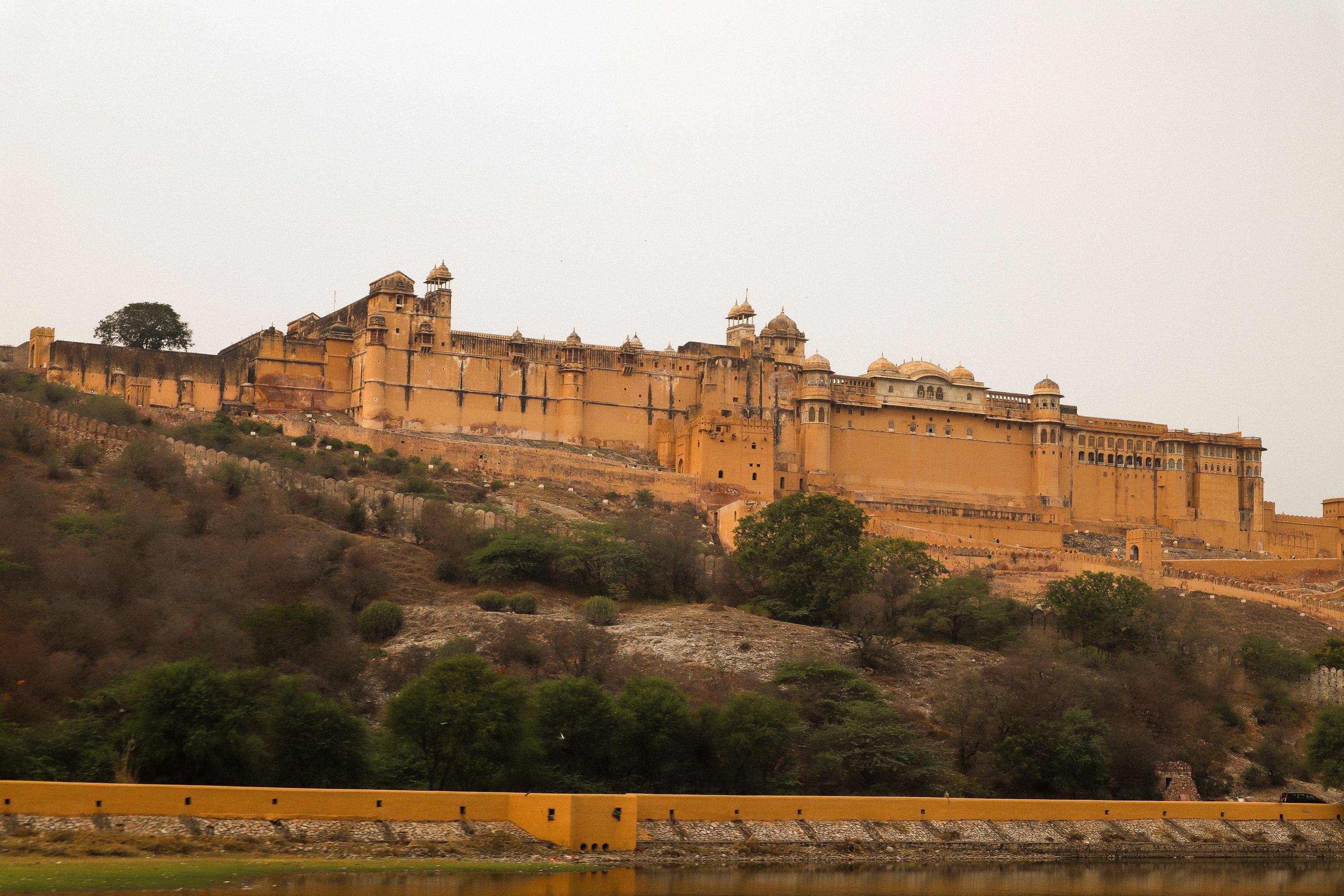
In the Mahabharata (Great Epic of the Bharata Dynasty), Kampilya stands as the fortified capital of Southern Panchala. The text describes a city of high gateways, defensive ditches, and royal palaces where King Drupada hosted the assembly for his daughter Draupadi.
Archaeology and botany present a different picture of the site. Modern Kampil sits on an ancient bluff along the Budhi Ganga (Old Ganges) river in the Farrukhabad district of Uttar Pradesh. Systematic excavations show a settlement sequence rooted in the Iron Age, marked by ceramic transitions and agricultural remains rather than epic stone masonry.
Stratigraphy and the Ceramic Sequence
Archaeological investigations at the mound known locally as Drupad Kila (Drupada’s Fort) began with exploratory trenches by the Department of Ancient History, Culture and Archaeology at Banaras Hindu University under K.K. Sinha. Subsequent work included campaigns by the Indian Archaeological Society in collaboration with the Istituto Italiano per l'Africa e l'Oriente (IsIAO) and Ca' Foscari University of Venice under the direction of G.G. Filippi and K.N. Dikshit.
The stratigraphic sequence at Kampilya does not reveal massive stone fortification walls from its earliest levels. Instead, excavations trace a standard Central Doab settlement timeline:
- Painted Grey Ware (PGW) Horizon: The earliest clear occupation layer at the main mound contains fine to medium grey ceramics decorated with painted black geometric designs. Excavations revealed mud floors, hearths, and ash deposits. This layer lacks kiln-burnt brick architecture.
- Northern Black Polished Ware (NBPW) Horizon: Superior, highly lustrous NBPW sherds mark the transition into the early first millennium BCE. This ceramic type features a distinctive metallic sheen produced through specialized reduction firing techniques. Associated layers show the first appearance of structured mudbrick platforms and early burnt-brick structures.
- Early Historic and Medieval Levels: Upper strata contain terracotta objects, punch-marked copper coins, Panchala regional coins, glass bangles, and structural remains dating from the Kushana through the medieval periods.
The ceramic sequence places early Kampilya firmly within the cultural framework of the Iron Age Gangetic Plain rather than an urban monument built of dressed stone.
Archaeobotany: The Economic Basis of Panchala
While textual traditions depict an elite city sustaining grand royal feasts, botanical remains recovered from Gangetic sites provide concrete evidence of daily diet and agricultural practice.
Carbonized plant remains analyzed from early historic contexts in the upper and central Ganga plain—documented in archaeobotanical literature by researchers such as K.S. Saraswat—reveal a double-cropping system:
- Winter Crops (Rabi): Domesticated barley (Hordeum vulgare), wheat species (Triticum aestivum and Triticum diococcum), field pea (Pisum arvense), and grass pea (Lathyrus sativus).
- Summer Crops (Kharif): Rice (Oryza sativa), horse gram (Macrotyloma uniflorum), black gram (Vigna mungo), and green gram (Vigna radiata).
This agricultural pattern shows that early Kampilya was sustained by seasonal crop rotation across the fertile alluvial soils of the Ganga basin. The economy relied on mixed farming and livestock management rather than distant trade empires.
Epic Descriptions Versus Excavated Material
Comparing the text of the Mahabharata against the material record highlights a clear gap between literary narrative and physical evidence:
| Epic Narrative | Archaeological Record | | :--- | :--- | | Monumental stone palaces and multi-story gateways | Wattle-and-daub huts, mud floors, and unburnt mudbrick walls in early layers; burnt bricks appear later | | Iron-armored armies and massive metallic weapons | Small iron tools, nails, blades, and bone point artifacts | | Widespread monetary economy with rich royal treasure | Punch-marked coins and cast copper Panchala coinage limited to upper Early Historic strata | | Universal urban urbanization | Rural-agricultural settlement expanding into a regional center during the NBPW phase |
Tradition holds Kampilya as a primary seat of power during the Vedic and epic periods. Evidence shows a modest Iron Age settlement that gradually developed into an urban mahajanapada (great realm) capital during the mid-to-late first millennium BCE.
Scholars debate the exact relationship between the epic memory and the material layers. One view argues that the epic preserves a core memory of early Iron Age political centers like Kampilya and Hastinapur, later embellished by generations of oral poets who added contemporary architectural details. Another view maintains that texts like the Mahabharata represent poetic compositions where geographical names anchored literary stories to real landscapes, without implying direct historical documentation of specific events.
The excavation sequence at Kampilya confirms continuous human occupation across key ceramic phases of North Indian antiquity. The site remains a key field location for studying how rural Gangetic communities developed into early urban states.