The Lion’s Tongue and the 'Vṛṣala': Philology of Mauryan Sovereignty
Comparing Justin's Roman epitome and Viśākhadatta's Mudrārākṣasa reveals how Classical Latin historians and Sanskrit dramatists independently constructed royal legitimacy for the low-born Chandragupta Maurya.

Meera Iyer for SwavedaNovember 3, 2026
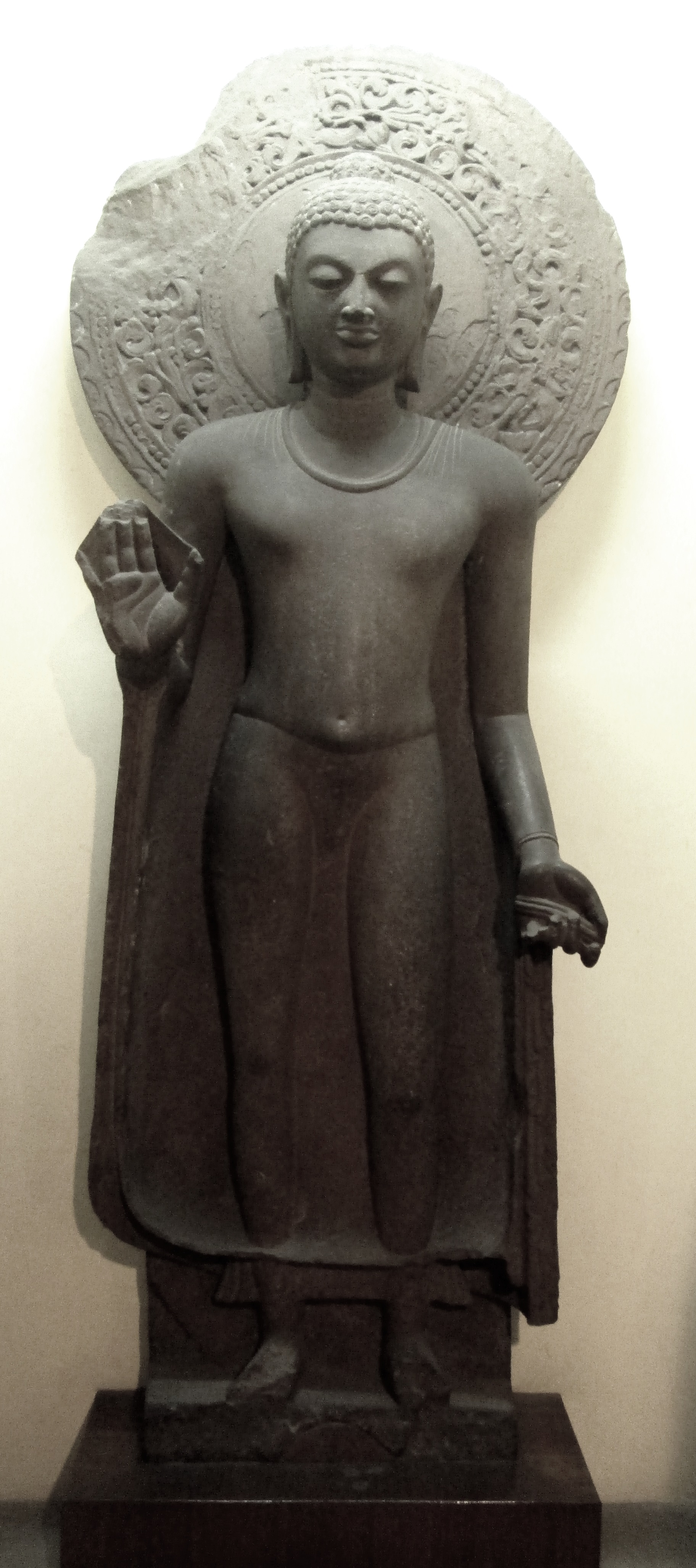
In Book XV, Chapter 4 of his Epitome of the Philippic History of Pompeius Trogus (written in Latin between the second and fourth centuries CE), the Roman historian Marcus Junianus Justinus (known in English as Justin) records a curious detail about the founder of the Mauryan Empire. Writing of Sandrocottus (the Greek and Latin transliteration of the Sanskrit name Candragupta), Justin notes that after escaping the death sentence of a foreign king, the exhausted fugitive fell asleep. While he slept, a wild lion of immense size approached, licked the sweat from his body with its tongue, and quietly left. Justin frames this event as a prodigium (an omen or sign from the divine) that inspired the low-born warrior to claim royal dignity.
Centuries later, in the Sanskrit dramaturgical tradition, Viśākhadatta constructed a parallel narrative of low birth transformed into imperial authority. In the classical play Mudrārākṣasa ("The Signet Ring of Rākṣasa"), Chandragupta Maurya’s advisor, Chāṇakya, consistently addresses the young emperor with the term vṛṣala.
To trace how non-Indian historians and indigenous Sanskrit writers legitimized a sovereign who lacked an established royal lineage, we must examine the exact vocabulary of both texts.
The Latin Omens of Pompeius Trogus
Justin’s account does not survive as an original manuscript. It is an abridgment of a lost 44-book universal history composed under Augustus by Gnaeus Pompeius Trogus. In Justin's text, the passage describing the lion reads:
"...cum sopitus ex fatigatione obdormisset, leo ingentis magnitudinis ad dormientem accessit sudoremque profluentem lingua ei detersit expergefactumque blande reliquit." (Attalus.org)
The verb detersit ("wiped away" or "cleansed") paired with lingua ("with its tongue") establishes a specific Classical trope: the wild apex predator recognizing a natural ruler. In Roman political historiography, animals submission or gentle contact signaled divine selection (augurium) for someone born outside the existing ruling nobility. Justin notes explicit details about Chandragupta's origins: primo ob generis obscuritatem ("firstly on account of the obscurity of his birth").
The Roman text pairs the lion episode with a second animal omen: a wild elephant (elephas ferus) approaching Chandragupta in battle, allowing the king to mount its back without resistance. For Mediterranean readers, these stories translated the rise of a non-Macedonian, non-hereditary ruler in Northern India into familiar classical signs of divine mandate.
Translating the 'Vṛṣala' in Sanskrit Statecraft
In Viśākhadatta’s Mudrārākṣasa, the play centers on political consolidation (rājyasaṃgraha). Throughout the drama, Chāṇakya repeatedly refers to Chandragupta as vṛṣala (वृषल).
Modern translators frequently render vṛṣala as "outcaste," "low-born man," or "sudra". In classical Dharmashastra literature, the noun vṛṣala derives from the root vṛṣ (वृष्, meaning "to pour" or "to act with virility") combined with a primary suffix. In formal legal texts like the Manusmṛti, a vṛṣala denotes a man who has fallen from Vedic duties or a person of low social standing.
However, in the context of the Mudrārākṣasa, the term functions with intentional ambiguity. Classical commentators, including Ḍhuṇḍhirāja (who composed a major Sanskrit commentary on the play in 1713 CE), point out that Chāṇakya uses vṛṣala not as a derogatory slur, but as an affectionate term of address (apatyavat) for his pupil. Ḍhuṇḍhirāja links vṛṣala etymologically to vṛṣa (वृष), which signifies a "bull" or "the embodiment of virtue and strength." Under this philological reading, when Chāṇakya calls Chandragupta vṛṣala, he signals both the king's non-traditional lineage and his status as a bestower of royal protection—a "chief among men."
The dramatist contrasts vṛṣala with rājyalakṣmī (राज्यलक्ष्मी, "the fortune of sovereignty"). In Act III of the Mudrārākṣasa, the dialogue illustrates that royal authority is not inherited through pristine hereditary descent (kulakrama), but is won through intellect (buddhi) and political alliance (saṃdhi).
Parallel Tropes across Mediterranean and Indic Literatures
When read side by side, Justin’s Latin epitome and Viśākhadatta’s Sanskrit drama resolve the same structural problem: how to justify the sovereignty of a monarch who seized power from the established Nanda dynasty without traditional ancestral rights.
- Foreign Historiography (Latin): Pompeius Trogus and Justin rely on supernatural omens (prodigia). The wild lion licking the sweat (sudor) from the sleeping fugitive serves as external physical proof that nature itself submits to his authority.
- Indigenous Philology (Sanskrit): Viśākhadatta relies on semantic reframing. By using vṛṣala, the play acknowledges Chandragupta's non-royal origins while reframing his rule as the fulfillment of political science (arthaśāstra) and practical statecraft.
Evidence shows that neither text borrowed directly from the other. Instead, Classical Roman historians and Classical Sanskrit playwrights independently developed distinct literary mechanisms to explain how a man of humble origin established the Mauryan Empire.