The Imperial Mint and the Merchant House: How Mughal Coinage Relied on Private Banking Networks
Historian Sudev Sheth shows how private merchant-bankers operated royal mints and financed state administration, revealing that Mughal monetary stability relied on private capital networks.

Devika Menon for SwavedaOctober 23, 2026
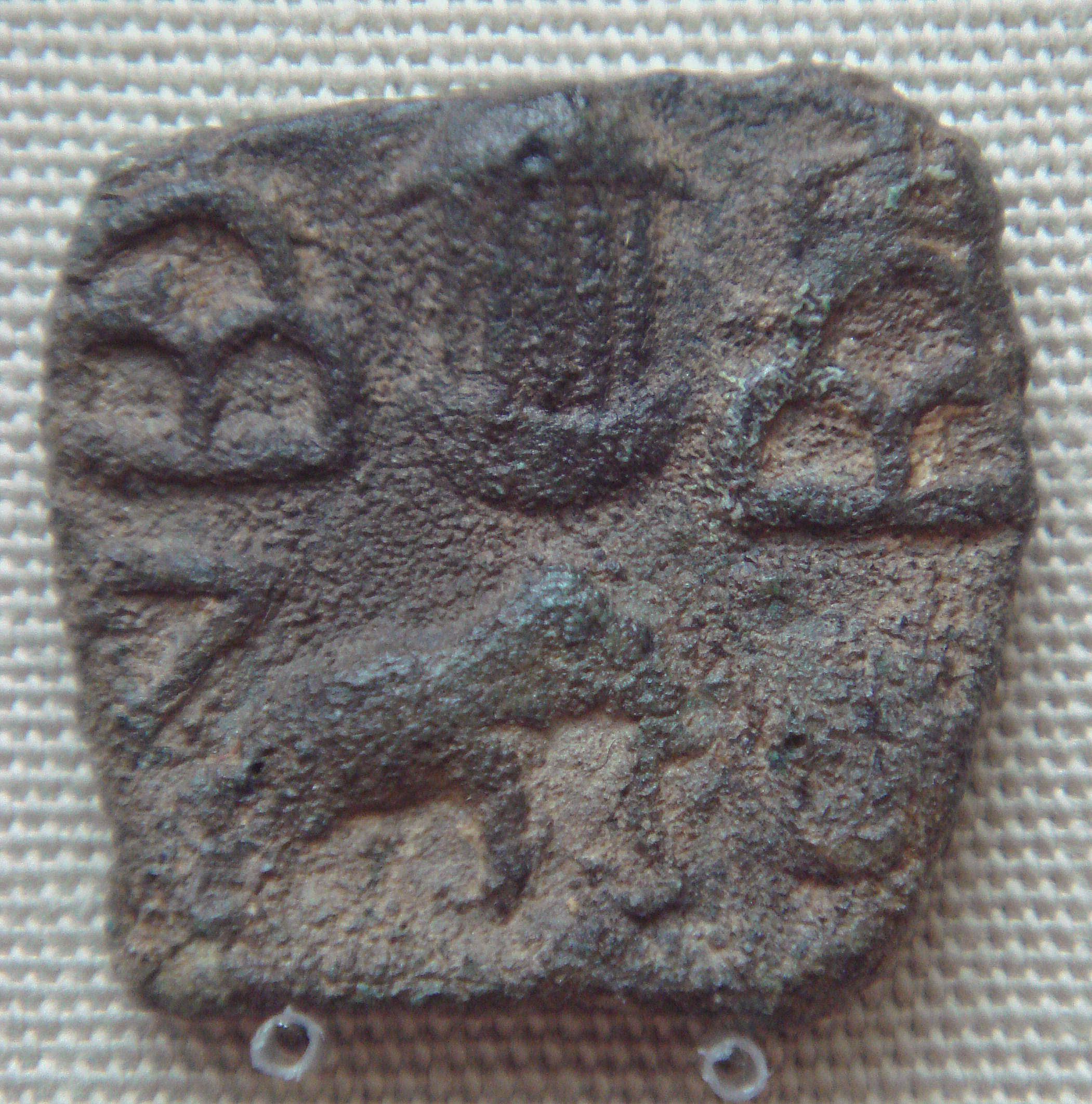
The standard portrait of the Mughal Empire features a centralized bureaucratic apparatus managing revenue from the imperial center down to the village level. Imperial decrees, provincial subahdars (governors), and detailed revenue surveys present an image of complete administrative control over the Indian subcontinent.
Yet beneath the polished surface of state administrative manuals lies a different financial reality. The imperial monetary system, praised for its uniform silver rupee and high metallic purity, relied directly on private merchant-bankers. In his study Bankrolling Empire: Family Fortunes and Political Transformation in Mughal India, historian Sudev Sheth demonstrates how the Mughal state outsourced core financial operations—including currency minting, bullion testing, and credit movement—to private mercantile houses (Cambridge University Press).
The Private Mint Operations
The Mughal mint was not a closed state factory staffed exclusively by government employees. It operated largely as an open-access facility where private merchants brought raw bullion—imported silver, foreign coin hoards, or older local issues—to be converted into legal tender.
To maintain trust in the coin, the crown required specialized experts to test weight and fineness. This role fell to the sarraf (moneychanger and assayer). Rather than acting purely as state agents, these assayers were independent business figures who operated across private commerce and state administration.
Evidence shows that merchant houses frequently controlled the physical minting process. Wealthy financiers provided the liquid capital required to buy unrefined metal from international trade routes at ports such as Surat. They brought this bullion to imperial mints, paid a fee to state officials, and received freshly struck rupees or mohrs (gold coins).
This arrangement meant the empire's money supply depended directly on the private capital flows of individual merchant families. When private traders withheld bullion or shifted capital to other urban centers, mint activity slowed, directly impacting local liquidity and tax collection.
Credit Instruments and the Hundi
Managing a continental empire required moving vast sums of money across thousands of kilometers without physically transporting heavy coin chests. For this, the Mughal state relied on private financial instruments, specifically the hundi (bill of exchange).
The hundi functioned as a credit instrument and remittance method. A merchant or state official deposited cash with a banker in one city and received a written order drawn on the banker’s agent in another town.
When provincial revenues needed to travel from Gujarat or Bengal to the imperial camp, state officials rarely dispatched military escorts guarding physical treasure trunks. Instead, they purchased hundis from private firms such as the Jhaveri family in Ahmedabad (Cambridge University Press). These banking networks transferred imperial funds across distant provinces using their own commercial channels.
This arrangement provided the state with speed and security, but it also made imperial logistics dependent on private credit. If a merchant family faced liquidity problems or refused to honor state paper during political disputes, regional military payrolls came to a halt.
The Jhaveri Network and State Solvency
The relationship between private capital and royal authority is visible in the history of the Jhaveri family of Gujarat, detailed in Sheth's research. Beginning with figures like Shantidas Jhaveri in the seventeenth century, the family expanded from diamond dealing into commercial banking, tax farming, and state lending (Cambridge University Press).
Primary documents—including imperial firmans (royal decrees), Persian administrative records, and European factory logs—confirm that Mughal princes and provincial governors frequently borrowed directly from the Jhaveris (Cambridge University Press). During war or succession struggles, royal figures routinely secured short-term loans from merchant houses to pay their troops.
In 1657, during the war of succession among Shah Jahan’s sons, Prince Murad Bakhsh extracted large loans from the Jhaveri family to fund his military campaign (Cambridge University Press). When Aurangzeb eventually took the throne, he recognized the necessity of maintaining stability in the commercial sector and ensured those debts were cleared (Cambridge University Press). The ruling dynasty recognized that penalizing premier financial houses threatened the monetary stability of the entire region.
Reconsidering Imperial Authority
Scholars debate the exact point at which this reliance on merchant capital turned from a symbiotic relationship into state vulnerability.
Earlier historical models framed the late Mughal state as a central authority whose collapse created a vacuum filled by rising merchant elites. Modern analyses, including Sudev Sheth’s work, demonstrate that private capital was never merely passive or subordinate (Cambridge University Press). Instead, private banking networks were built into the structural framework of Mughal administration from its peak.
By the eighteenth century, as central authority weakened, provincial governors relied even more heavily on private loans to cover routine expenses (Cambridge University Press). When state officials failed to meet loan payments, merchant-bankers leveraged their positions, redirecting credit to regional powers such as the Marathas, local Nawabs, and eventually the East India Company (Cambridge University Press).
The numismatic record reflects this shift. While coins maintained standard Persian inscriptions and royal titles, control over minting and distribution remained anchored in private counting houses. The Mughal rupee was as much a product of merchant banking as it was a symbol of imperial decree.