The Grammar of Veneration: Philological Footprints of Khwaja Khizr and Jhulelal in Medieval Sindhi Texts
Examining medieval Sindhi, Persian, and Sanskrit textual references reveals how epithets for Khwaja Khizr and Jhulelal evolved alongside shared Indus water worship, preserving older river cults across scripts.

Meera Iyer for SwavedaOctober 13, 2026
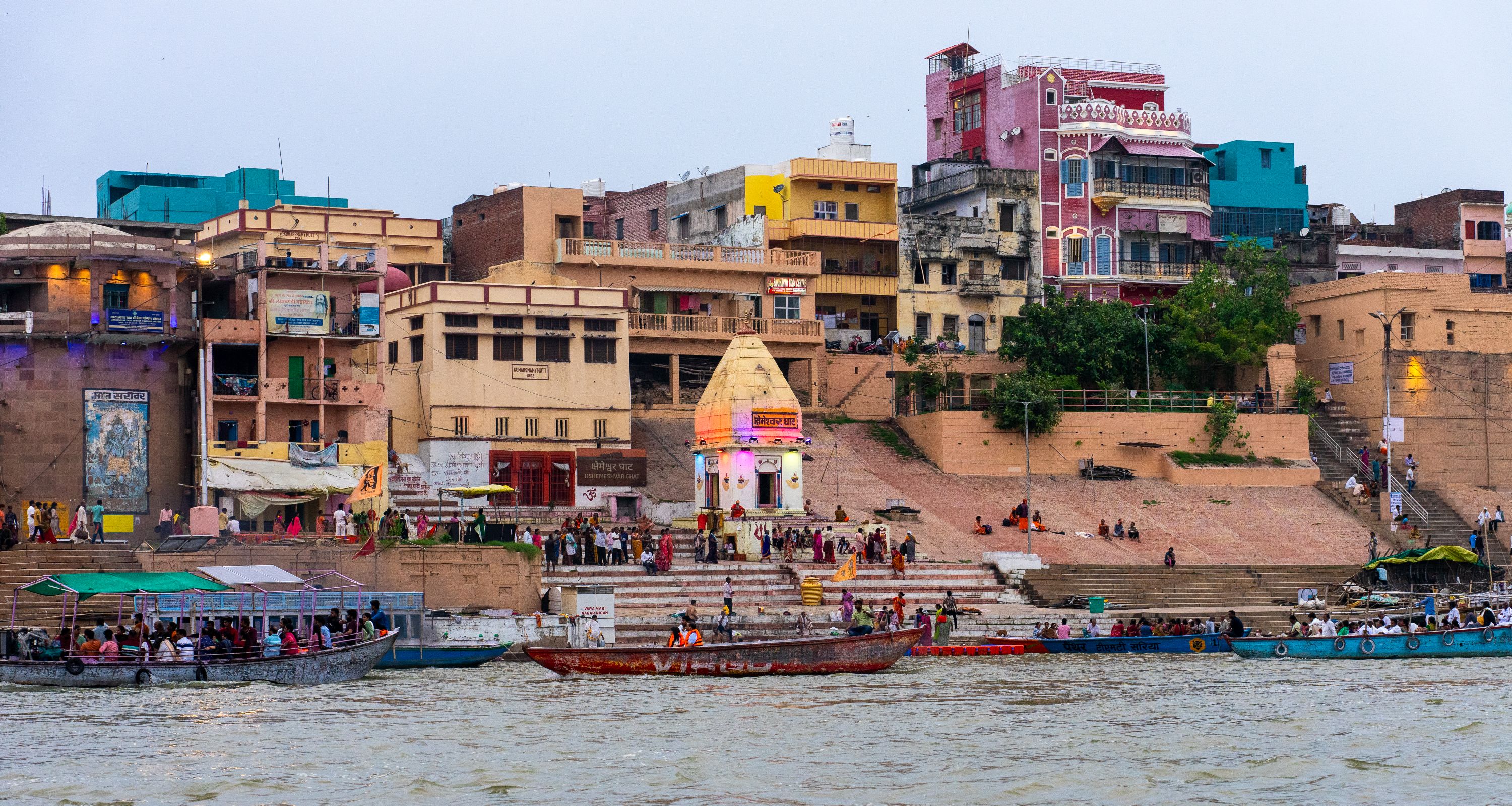
Popular accounts of shared sacred sites along the lower Indus often rely on vague claims of timeless syncretism. Yet an examination of medieval textual references, epigraphs, and scribal epithets in Sanskrit, Persian, and Sindhi reveals a far more precise philological process. Ocean and river veneration in the Indus delta did not erase theological boundaries; rather, it created an overlapping vocabulary of epithets that allowed distinct communities to address the same river divinity.
Tracing these designations through primary manuscripts shows how the classical Sanskrit deity Varuna (Varuṇa, classical Vedic water deity) merged with the Islamic figure of Khwaja Khizr (Khwājā Khiẓr, the green prophet associated with the subterranean waters of life) and the Sindhi deity Jhulelal (Jhūlelāl, "the swinging red lord").
The Sanskrit Substrate: Varuṇa and the Divine Waters
The oldest textual layer of Indus veneration rests on Sanskrit liturgical terms. In Vedic and classical Sanskrit texts, water is addressed as āpas (ĀPAS, Āp, feminine plural, "the waters"), carrying both physical and cosmic attributes. The ruler of these aquatic realms is Varuṇa (VARUṆA, masculine, "the encloser" or "the coverer"), who retains authority over the marine currents and cosmic order (ṛta).
In early medieval Sindh, local inscriptions and inscriptions dedicated to water rites identify the river Indus as Sindhu-daryā (SINDHU-DARYĀ, Sanskrit-Persian hybrid compound, "the Indus river-sea"). Merchants from the Lohana (Lohāṇā) caste addressed the divinity of the river through Sanskrit-derived titles, calling him Uderolāl (UDEROLĀL, from Classical Sanskrit ut + tāra, yielding Sindhi utero, meaning "he who arose from the waters").
When analyzed grammatically, Uderolāl decomposes into two distinct elements:
- Udero (UDERO, noun/adjective, "one who rises or emerges from the water")
- Lāl (LĀL, borrowed from Persian lāl, "red" or "precious gem", used as a term of endearment or divinity)
This linguistic compound combines an Indo-Aryan verbal root with a Persian honorific suffix, illustrating how early medieval Sindhi scribes integrated regional linguistic layers to describe the divinity.
The Persianate Layer: Khwājā Khiẓr and Zinda Pīr
As Persian became the administrative and literary language of medieval Sindh, scribes translated regional river worship into Islamic terminology. In Persian histories of Sindh, such as the Chachnāma (CHACHNĀMA, early 13th-century Persian chronicle of Sindh), the immortal river guardian appears as Khwājā Khiẓr (KHWĀJĀ KHIẒR).
In local Persian manuscripts, two prominent titles emerge for this river guardian:
- Zinda Pīr (ZINDA PĪR, Persian compound, "the living saint"), signifying his eternal presence near water sources.
- Daryā Shāh (DARYĀ SHĀH, Persian-Arabic hybrid, "the king of the river").
French scholar Michel Boivin's research on the manuscript culture of Sindh demonstrates how these Persian titles functioned alongside traditional Sindhi epithets. The Persian phrase Khwājā Khiẓr derives from the Arabic root kh-ḍ-r (KH-Ḍ-R), meaning "green" or "verdant," referring to the divine figure associated with the fountain of eternal life (ābi ḥayāt).
When Persian chroniclers recorded the local river cult near the island fortress of Bukkur (Bakhar) near Sukkur, they did not suppress the indigenous river worship. Instead, they transcribed the local deity into Persian administrative prose using the honorific Khwājā (KHWĀJĀ, Persian title, "master" or "lord") alongside the traditional designation of the river as a living holy presence.
The Sindhi Synthesis: Jhūlelāl and the Daryāpanth
By the late medieval period, Sindhi devotional poetry written in the Arabic-based Sindhi script preserved a complex set of epithets for the water god. Members of the Daryāpanth (DARYĀPANTH, compound noun, "the path of the river") addressed the deity through several interlocking names:
- Jhūlelāl (JHŪLELĀL, Sindhi compound, "the red lord on the swing/cradle")
- Amar Lāl (AMAR LĀL, Sanskrit-Persian compound, "the immortal red lord")
- Pīr Ṣadr al-Dīn (PĪR ṢADR AL-DĪN, Ismaili title associated with river-side shrines)
In studies published on Sahapedia, historian M.L. Bhatia documents how Hindu and Muslim riverine communities—including the Mallāḥ (boatmen) and Bhishtī (water-carriers)—reposed faith in Khwaja Khizr and Jhulelal under shared iconographic conventions. The deity is consistently depicted sitting on a palla (PALLA, Tenualosa ilisha, the Indus hilsa fish), holding a sacred lamp (jot) or a copy of a sacred text.
Grammatically, the epithet Jhūlelāl comes from the Sindhi verb jhūlaṇu (JHŪLAṆU, "to swing" or "to rock gently," describing the movement of waves or a baby's cradle) combined with lāl. Devotional poems (panjṛā, five-line Sindhi verses) sung by both Hindu and Muslim devotees invoke the deity with the refrain Ayo Lāl, Jhūle Lāl ("The Red Lord has arrived, the Swinging Lord").
Shared Sacred Geography and Textual Preservation
The primary center of this shared textual and ritual tradition remains the island shrine of Udero Lal (Uḍerolāl) in Matiari district, Sindh, alongside the island shrine of Khwaja Khizr near Sukkur. Ethnographic research by Ghazal Asif Farrukhi in the Harvard Divinity Bulletin and anthropological surveys by Muhbat Ali Shah note that these sites feature both a Hindu jot (sacred flame chamber) and an Islamic masjid (mosque) within the same enclosure.
Textual analysis shows that rather than a singular, merged religion, medieval Sindh operated on a shared grammar of veneration. Scribes writing in Sanskrit transcribed the deity as Varuṇa-Avatāra ("incarnation of Varuna"), Persian chroniclers recorded him as Khwājā Khiẓr, and Sindhi poets hailed him as Jhūlelāl. The physical river Indus served as the anchor holding these distinct linguistic layers together across centuries.