The Etymology of *Nīla*: Triangulating Substratum Vocabulary, Indigo Fermentation Vat Residues, and Early Historic Trade Inscriptions
Philologists and archaeologists trace the origin of Sanskrit nīla (indigo/dark blue), balancing Dravidian lexical reconstructions against ancient vat residues and Near Eastern trade records.

Asha Naidu for SwavedaNovember 24, 2026
Listen to this article · 5 min · Read by an AI voice
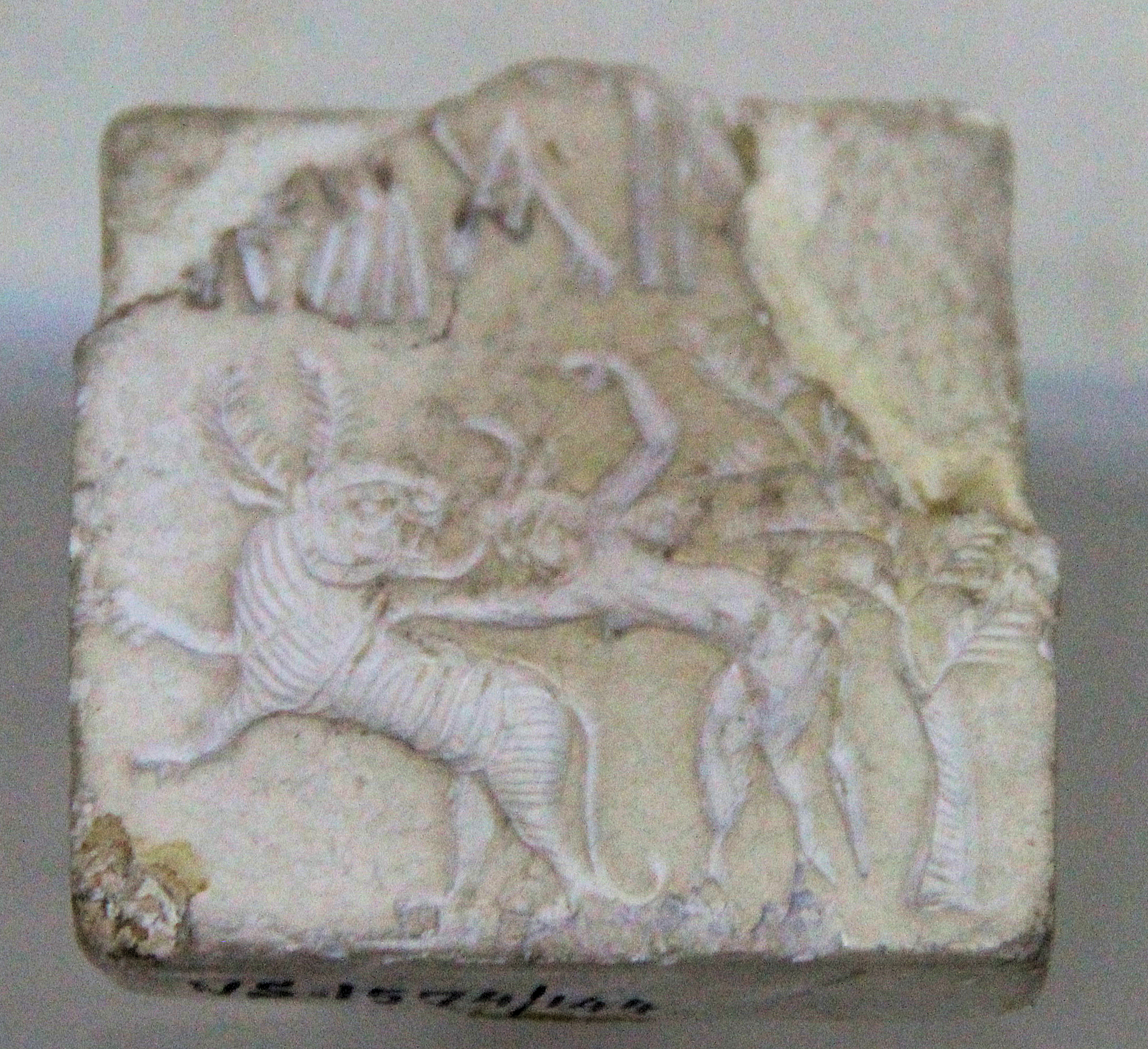
The origin of the Sanskrit word nīla—signifying 'dark blue', 'blackish', or the indigo dye plant itself—occupies a subtle place in South Asian historical linguistics. Classical Indo-European etymologies often attempt to trace the term to Proto-Indo-European reconstructions such as *neyH- (meaning 'to shine' or 'to lead'). However, historical linguists studying ancient South Asian contact zones have long questioned this assignment.
In comparative Indo-European studies, color terms typically display clear cognates across sister branches like Avestan, Old Persian, or Greek. Nīla lacks a clear, uncontested cognate in non-Indo-Aryan branches of Indo-European, leading philologists to explore alternative origins.
Substratum Reconstructions and Lexical Borrowing
In South Asian historical linguistics, scholars debate whether nīla entered Early Indo-Aryan as a loanword from a local non-Indo-European substratum. Philologists Thomas Burrow and Murray Barnson Emeneau, in A Dravidian Etymological Dictionary, documented extensive sets of cognates across the Dravidian family—such as Old Tamil nīlam ('blue', 'sapphire', or 'indigo') and Proto-Dravidian reconstructions linked to dark shades or aquatic terms like nīr ('water').
In research on language contact in the Indian subcontinent, linguist Franklin Southworth argued that core agricultural and botanical terms entered early Sanskrit corpuses through contact with Dravidian or other ancient indigenous language families.
Scholars debate whether the phonetic shift from Proto-Dravidian forms into Old Indo-Aryan represents early lexical borrowing during the late Vedic period. While some linguists maintain that an internal Proto-Indo-European derivation remains plausible through semantic shifts from roots denoting brightness or darkness, another camp views nīla as part of a shared regional vocabulary—a Sprachbund feature that emerged as ancient pastoralists and settled agriculturalists interacted.
Archaeobotanical Residues and Vat Chemistry
Linguistic hypotheses about the adoption of a specific color term coincide with physical evidence of indigo production in the Indian subcontinent. The plant Indigofera tinctoria contains no visible blue pigment in its fresh leaves. Extracted dye requires a complex biochemical transformation: fresh leaves are steeped in water to hydrolyze the precursor indican into indoxyl, which oxidizes into insoluble indigotin.
Archaeological excavations at Early Historic and Bronze Age sites across Western India have yielded direct evidence of this processing tradition. Archaeobotanists recovered seeds belonging to multiple species of the genus Indigofera at the Harappan-era site of Rojdi in Gujarat. Additionally, chemical residue analysis using high-performance liquid chromatography on ancient ceramic vessels and masonry vat structures has identified indigo dye traces.
At sites like Mohenjo-Daro, blue-dyed textile impressions dated to the mid-second millennium BCE confirm that the chemical reduction and fermentation techniques necessary to produce indigotin were established long before the compilation of Classical Sanskrit lexicons.
Epigraphic Traces and Near Eastern Trade
Evidence shows that processed indigo traveled along ancient maritime and overland trade networks. Early Mediterranean texts referred to the dye using geographical descriptors. Ancient Greek authors recorded the term indikon ('the Indian substance'), which passed into Latin as indicum.
Scholars debate whether earlier references to blue dyes in Cuneiform tablets from Bronze Age Mesopotamia reflect trade contacts with South Asian ports. Akkadian economic tablets document imports of exotic dyestuffs and luxury goods from regions identified as Meluhha. While cuneiform texts detail recipes for dyeing wool blue using plant and mineral sources, Assyriologists caution against definitively equating specific Akkadian terms with Sanskrit nīla without explicit bilingual lexical lists or confirmed etymological links.
In South India, Early Historic Tamil-Brahmi epigraphs and Sangam literary texts document settled communities of dyers and merchants trading in dyed fabrics. The convergence of epigraphic mentions, archaeobotanical vat residues, and philological comparative dictionaries illustrates how nīla shifted from an agricultural product's designation to a primary color term across multiple language families.