The Epigraphic Afterlife: What Repurposed Inscriptions Reveal About Temple Construction in Early Medieval Tamil Nadu
Scholars are analyzing how early medieval builders in the Kaveri delta physically reused Sangam-era hero stones and early Chola donor slabs as active building materials in temple renovations.

Devika Menon for SwavedaSeptember 14, 2026
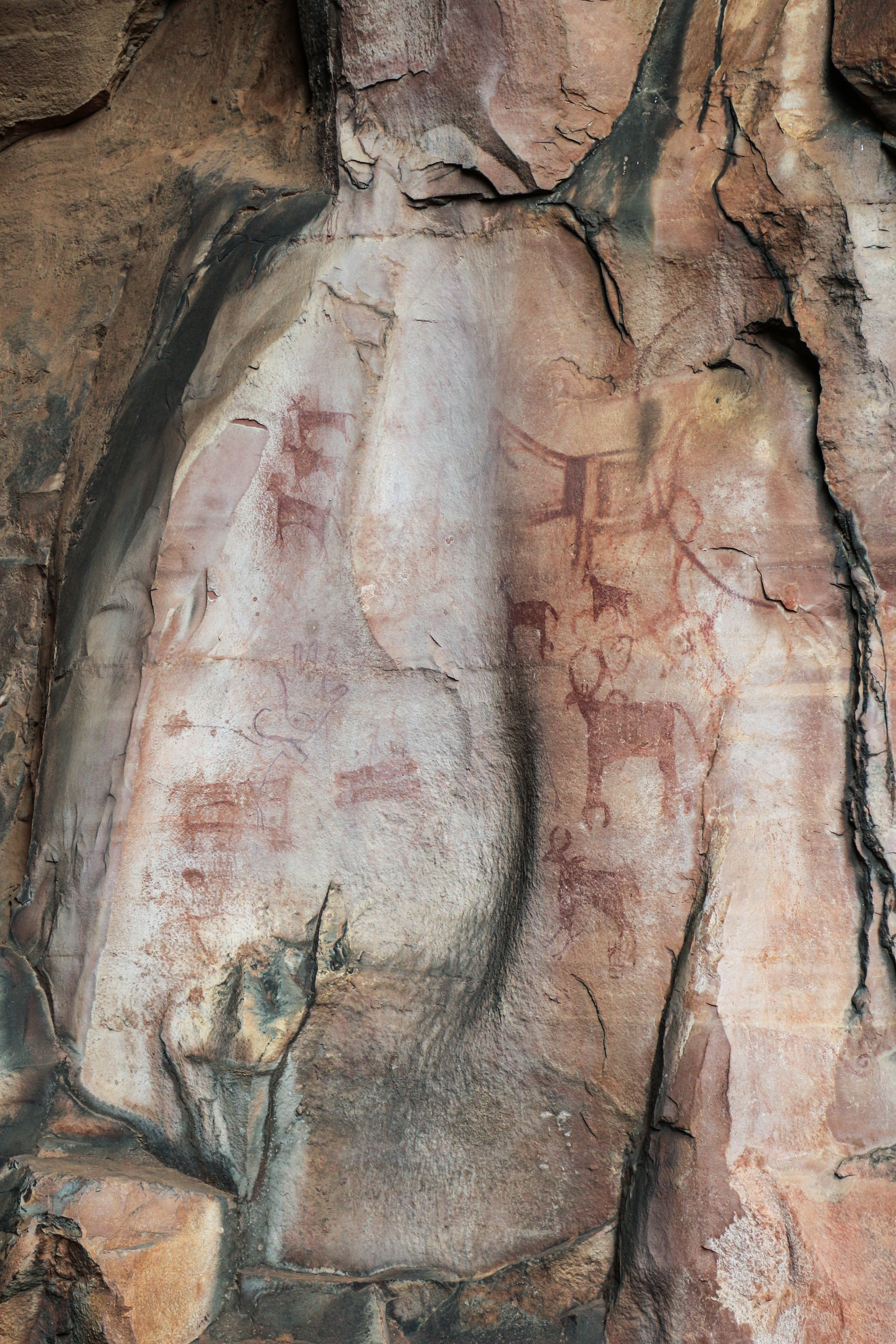
In the study of epigraphy—the study of ancient inscriptions—scholars have traditionally treated inscribed stones as static archives. A granite block bearing a tenth-century Chola donor record is typically read for its text, translated, and cataloged. However, a methodological shift inspired by the physical life histories of Roman stone inscriptions is changing how archaeologists view these objects. Rather than viewing inscribed stones merely as texts, researchers are analyzing them as active building materials that were physically handled, reshaped, and repurposed over centuries.
In early medieval Tamil Nadu, particularly within the Kaveri River delta, temple construction underwent a major structural transition. Between the eighth and thirteenth centuries, builders systematically replaced older brick-and-mortar temples with permanent stone structures, known as karrali (stone temples). This massive stone-building campaign required an immense volume of dressed granite. To meet this demand, medieval builders did not rely solely on newly quarried stone. Evidence shows they routinely harvested older inscribed monuments, including viragal (hero stones) commemorating fallen warriors and older shasana (royal decrees or charters) inscribed on donor slabs.
The Archaeology of Spolia in the Kaveri Delta
This practice of reusing older architectural elements in new construction is known archaeologically as spolia. While European archaeology has long documented the reuse of Roman monumental stones in medieval basilicas, recent research published in World Archaeology applies this material-focused methodology to the temple landscapes of southern India. The study highlights how stone inscriptions were not treated as sacred, untouchable relics, but as plastic, utilitarian building components.
When a brick temple was rebuilt in stone, or when a Chola monarch renovated an existing shrine, previous donor inscriptions were frequently disrupted. Scholars debate whether this reuse was driven by economic pragmatism—the high cost of quarrying and transporting new granite blocks—or by a deliberate desire to absorb the spiritual and political authority of preceding regimes.
The physical evidence on the temple walls points to a highly pragmatic approach. In many early medieval Chola temples, stones bearing older inscriptions are found built into the foundations, interior walls, and ceiling slabs. In these positions, the text is often upside down, partially obscured by mortar, or cut in half to fit the structural gap. For instance, in several renovated shrines in the Thanjavur and Tiruchirappalli districts, fragmented inscriptions from the Pallava and Pandya periods are embedded haphazardly into Chola-era walls. The placement of these stones indicates that once the administrative or legal memory of a grant had lapsed, the stone itself reverted to its basic value as high-quality building material.
Fragmented Memories and Palimpsests
The physical examination of these stones reveals distinct patterns of modification. Builders frequently sheared off the carved relief figures of heroes or deities from Sangam-era hero stones to create a flat bedding surface for masonry layers. In other instances, older donor records were partially shaved down to receive new inscriptions, creating a stone palimpsest—a writing surface used more than once after earlier writing has been erased.
This physical treatment of epigraphs complicates the traditional historical narrative that medieval donors preserved every record out of religious reverence. While some royal inscriptions, such as those of Rajaraja I, explicitly command that older copper plates and stone records be copied and re-inscribed during temple renovations, physical field surveys show that hundreds of smaller, local donor records were simply broken up and used as rubble fill.
By tracking the orientation of the writing, the tool marks left by medieval masons, and the placement of the slabs within the temple hierarchy, researchers can reconstruct the construction sequence of individual shrines. When an inscription is found upside down inside a dark, inaccessible corner of a temple ceiling, it demonstrates that the text had lost its communicative function. The stone had transitioned from a document of public record to a hidden structural support.
Grounding the Epigraphic Record
This material approach aligns Southern Indian epigraphy with modern global archaeological practices. Instead of treating text and material as separate entities, the physical life history of the stone integrates the two. It reveals the local economic pressures, the availability of skilled stonemasons, and the changing value of written records in medieval agrarian society.
The reuse of inscribed stones in Tamil Nadu's temples serves as a physical reminder that these sacred structures were dynamic, evolving projects. The granite blocks underfoot and overhead in the Kaveri delta's medieval shrines hold layers of history that go far beyond the literal meaning of the words carved upon their surfaces.