The Coins of the Sacred Rock: What the Kharoshthi Graffito of Hunza Reveals About Gupta-Era Northern Trade
Epigraphic analysis of the Haldeikish rock inscriptions in the Hunza Valley refutes internet lore about Chandragupta II and Kalidasa, revealing instead a vital ledger of ancient merchants and pilgrims.

Devika Menon for SwavedaSeptember 21, 2026
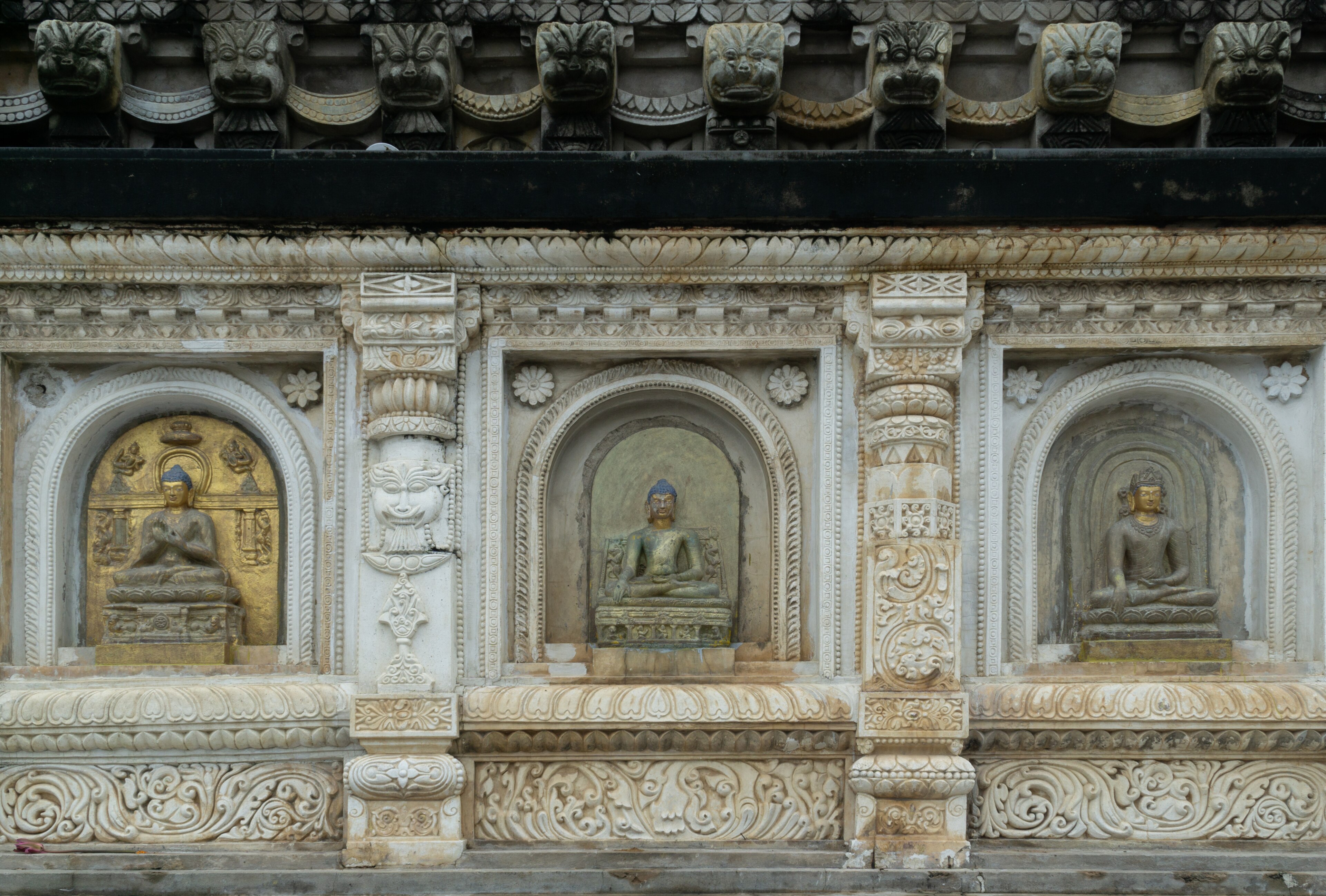
The Karakoram Highway winds through the deep gorges of the Upper Indus corridor, tracing the same paths where ancient merchants, pilgrims, and soldiers once walked. Near the confluence of the Hunza and Gilgit rivers lies Haldeikish, a massive sacred rock covered in hundreds of petroglyphs and inscriptions. In popular internet forums, a persistent theory suggests that these high-altitude graffiti contain the signatures of the Gupta emperor Chandragupta II and his celebrated court poet Kalidasa.
However, epigraphic surveys conducted by the Archaeological Survey of India (ASI) and international academic teams paint a different picture. Rather than marking an imperial military advance or a royal poetic retreat, the inscriptions of Haldeikish served as an informal transit ledger. Written in Kharoshthi (an ancient Indo-Iranian script) and Brahmi (an ancient Indian script), these markings reveal the daily realities of northern trade networks during the first half of the first millennium CE.
The Myth of the Imperial Graffito
The claim that Chandragupta II, who ruled the Gupta Empire from circa 375 to 415 CE, personally visited or commissioned inscriptions in the Karakoram range stems from a misinterpretation of names recorded on the rocks. Enthusiasts on platforms like r/IndianHistory frequently share posts linking the sacred rock of Hunza directly to the golden age of Sanskrit literature, specifically citing the poet Kalidasa.
Scholars debate the exact geographical reach of the Gupta Empire, but evidence shows that direct administrative control did not extend into the high mountain passes of the Hindu Kush or the Karakoram. The name "Chandra" does appear in the Brahmi graffiti of Haldeikish, but paleographic analysis—the study of ancient writing systems—indicates that the script style does not match the formal royal chancery hand of the imperial Gupta court. Instead, the name belongs to local travelers, merchants, or regional chiefs of the Shahi dynasties who controlled the mountain valleys.
Similarly, the occurrence of names resembling Kalidasa in these graffiti is a matter of common nomenclature rather than royal authorship. In epigraphy, identifying a common name with a famous historical figure without supporting titles is considered a major methodological error. The scribbles on the sacred rock lack the elaborate royal genealogies, known as prashastis (eulogies), that characterize actual Gupta imperial edicts, such as the famous Allahabad pillar inscription.
The Ledger of the Sacred Rock
To understand the true significance of Haldeikish, one must look at it through the lens of early commerce. The site functioned as a devamani (sacred jewel or sanctuary), where travelers paused before attempting the perilous journey through the Hunza gorges.
The graffiti are written in two primary scripts:
- Kharoshthi: Written from right to left, this script was widely used in Gandhara (modern northern Pakistan and eastern Afghanistan) for administrative and commercial purposes.
- Brahmi: Written from left to right, this script was the ancestor of most modern Indian scripts and was used extensively by the Guptas and contemporary southern dynasties.
The inscriptions consist largely of personal names followed by the formulaic expression devadharma (pious gift), indicating that the traveler had made an offering for a safe journey. Rather than a monument to imperial conquest, the sacred rock served as a registry. Merchants from Central Asia, Gandhara, and the northern plains of India left their names to mark their survival of the journey and to pray for successful transactions at their next destination.
Numismatic Corroboration of the Northern Route
The flow of goods and people recorded on the rocks of Hunza is supported by numismatic evidence from the region. Roman coin hoards discovered in southern India, such as those in Tamil Nadu, demonstrate maritime trade links, but the northern land routes relied on a different monetary economy.
During the fourth and fifth centuries CE, the circulation of gold dinaras (gold coins) minted by the Gupta Empire and imitation Kushan copper coins shows a highly active commercial corridor. The find spots of these coins do not indicate direct political rule by Pataliputra (the Gupta capital), but rather the reach of their currency. The presence of these coins alongside Sogdian, Chinese, and Kharoshthi inscriptions along the Upper Indus confirms that Haldeikish was a major artery for the silk and spice trade, connecting the Indian subcontinent with the Silk Road.
By treating the Haldeikish inscriptions as a lived space for ordinary travelers rather than a monument to imperial kings, historians gain a clearer view of the ancient world. The graffiti of the Hunza Valley show that trade networks survived through local cooperation and individual endurance, independent of the direct military presence of distant emperors.