The Absent Ancestor: Why the Complete Lack of AASI DNA on the Ancient Steppe Challenges the Out-of-India Model
Analyzing peer-reviewed ancient DNA from Rakhigarhi, Shahr-i Sokhta, and the Eurasian Steppe to show how the total absence of indigenous South Indian hunter-gatherer ancestry refutes Out-of-India migration models.

Rohan Bhattacharya for SwavedaSeptember 12, 2026
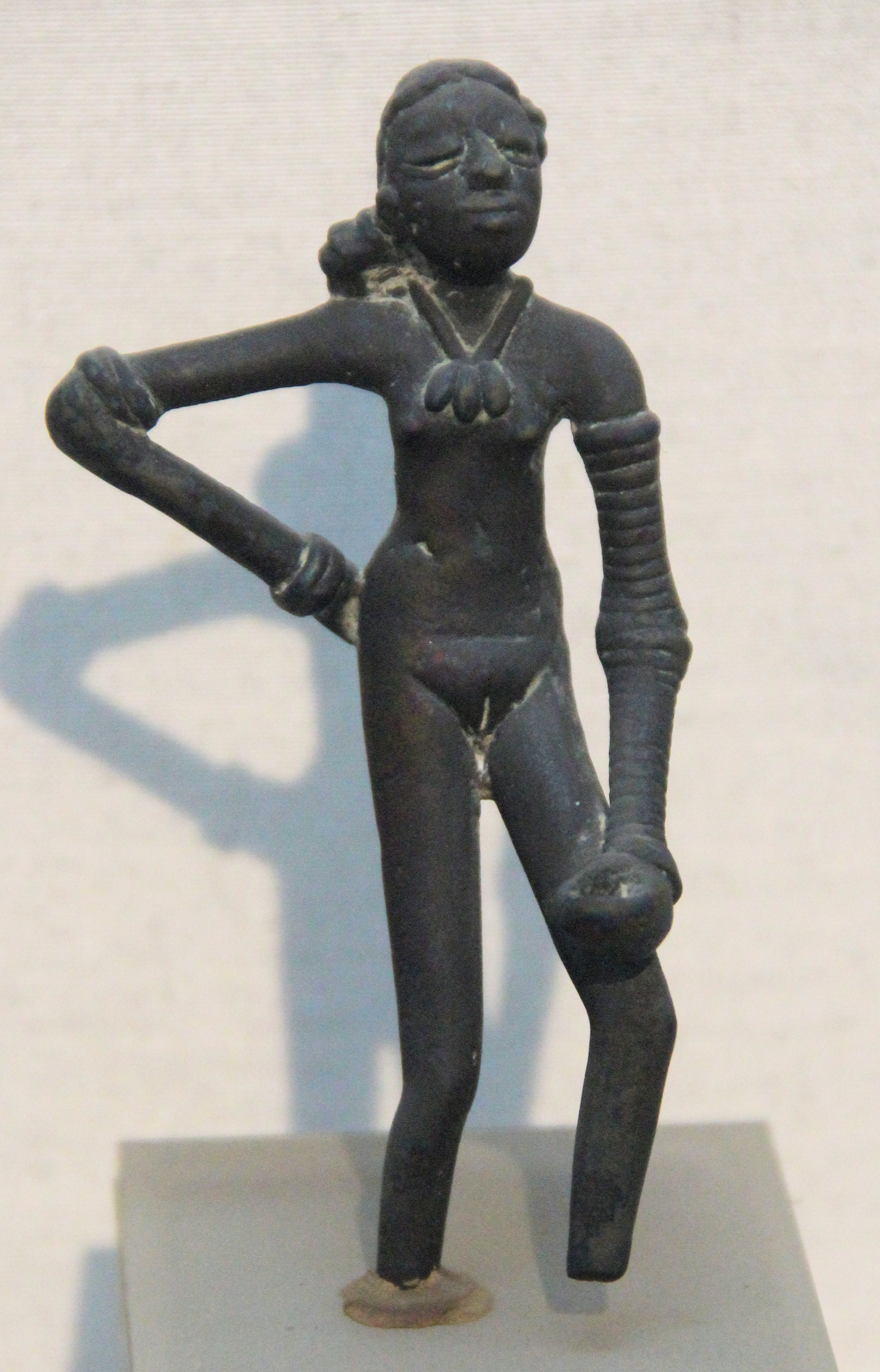
The search for human migrations is much like analyzing soil stratigraphy in an archaeological trench. In a typical excavation, a missing layer of silt or a sudden change in pottery styles tells a clear story of disruption, abandonment, or trade. In genetic archaeology, the presence or absence of specific ancestral components acts as these physical layers.
For proponents of the Out-of-India model—which argues that Indo-Aryan languages and their associated populations migrated outward from Northwest India to populate Central Asia and Europe—the genetic stratigraphy presents an insurmountable gap. Peer-reviewed ancient DNA studies have revealed a fatal bottleneck: there is a complete absence of Ancient Ancestral South Indian (AASI) ancestry in ancient Western Eurasian and Steppe populations. If a massive population migrated northwestward out of the Indian subcontinent, they managed to leave behind absolutely no trace of the indigenous lineage that is ubiquitous in every ancient and modern South Asian genome.
The Three Components of South Asian Ancestry
To understand this genetic gap, we must look at the deep ancestry of the Indian subcontinent. Archaeological and genetic research published in journals like Science and Nature establishes that modern South Asian genomes are modeled as a mixture of three distinct ancestral source populations.
The first is Ancient Ancestral South Indian (AASI), a deeply diverged hunter-gatherer lineage related distantly to East Asians and Andamanese Islanders. The second is Iranian agriculturalist-related ancestry, which began mixing with AASI groups in the northwestern region of the subcontinent thousands of years ago. The third is Steppe pastoralist ancestry, which is genetically linked to Bronze Age herders from the Eurasian grasslands.
In genetic models, the mixture of AASI and Iranian agriculturalist-related ancestry without Steppe genetic influence is known as the Indus Periphery Cline (a gradient of genetic variation). This genetic profile was first identified in individuals buried at sites like Shahr-i Sokhta in modern-day Iran and Gonur Tepe in Turkmenistan, who were culturally and genetically linked to the Indus Valley Civilization (IVC).
The Rakhigarhi and Shahr-i Sokhta Evidence
In 2019, a landmark study published in Cell successfully sequenced the genome of an individual buried at the Harappan site of Rakhigarhi in Haryana, India. This individual, designated I6113, lived approximately 4,500 years ago during the mature phase of the Indus Valley Civilization.
The genetic analysis of the Rakhigarhi individual showed a genome composed entirely of Iranian agriculturalist-related ancestry and AASI ancestry. Crucially, the Rakhigarhi individual possessed no Steppe-related ancestry. The study also analyzed 11 individuals from Shahr-i Sokhta and Gonur Tepe who carried the same distinctive genetic signature, confirming they were migrants from the Indus Valley.
The presence of AASI ancestry in these individuals is significant. The Rakhigarhi genome and the Indus Periphery migrants possessed substantial amounts of AASI ancestry. Because AASI is the indigenous hunter-gatherer lineage of the subcontinent, its presence serves as a genetic marker for any population originating from or mixing within ancient India.
The Clean Genomes of the Eurasian Steppe
If the Out-of-India model were correct, Bronze Age migrations from northern India would have carried this mixed Indus Valley ancestry—including its diagnostic AASI component—northward into Central Asia and the Pontic-Caspian steppe.
However, ancient DNA tells a different story. Extensive sequencing of Bronze Age pastoralists from the Yamnaya and Corded Ware cultures, as detailed in a comprehensive 2019 study in Science, reveals absolutely zero AASI ancestry. These Eurasian Steppe genomes are composed of Eastern Hunter-Gatherer, Caucasus Hunter-Gatherer, and Western Hunter-Gatherer ancestries. There is not a single genetic signal of the deep indigenous South Asian hunter-gatherer lineage.
For a migration to have occurred from India to the Steppe, one would have to assume a highly improbable genetic scenario. As discussed by population geneticists in peer-reviewed analyses of South Asian genetic history, the migrating population would have to consist exclusively of people who carried Iranian agriculturalist ancestry but had zero percent AASI ancestry, despite living in a region where AASI was already deeply integrated. Alternatively, it would require a "genetic filtration" process where AASI genes were completely lost during the journey northwestward. Neither scenario is supported by population genetics.
The Direction of the Flow
Evidence shows that the genetic flow actually moved in the opposite direction. A 2023 genetic study published in Nature analyzed ancient genomes across Eurasia, reinforcing that Steppe-related ancestry began appearing in the South Asian gene pool only after 2000 BCE. This timeline aligns with the decline of the mature Indus Valley Civilization and the transition to the Late Harappan period.
This genetic transition is documented in the stratigraphy of human remains. Genomes from the Indus Valley Civilization period, such as the Rakhigarhi individual, show zero Steppe ancestry. In contrast, post-IVC populations in the Swat Valley and northern India show a gradual influx of Steppe-related ancestry, which mixed with the pre-existing Indus Periphery population to form the Ancestral North Indian (ANI) and Ancestral South Indian (ASI) genetic clines that define modern South Asia.
Scholarly Debate
While geneticists agree on the physical absence of AASI DNA on the steppe, there is ongoing scholarly debate regarding the exact geographical routes, social mechanisms, and linguistic correlations of the Steppe migrations into South Asia. Some archaeologists argue that material culture transitions in the post-Harappan period do not show sudden, violent invasions, but rather point to gradual cultural assimilation and pastoralist migration over several centuries. Others continue to scrutinize how well genetic models correlate with the historical development of Indo-Aryan languages.
Nonetheless, from a purely genetic perspective, the absence of AASI DNA in ancient Western Eurasia remains a major obstacle for the Out-of-India model. Just as an archaeologist cannot argue for a cultural migration without finding a single diagnostic potsherd, geneticists cannot support an outward migration from India when the most diagnostic genetic marker of the subcontinent is completely missing from the destination.