Text, Spade, and Strata: How Philology and Archaeology Differently Map the Post-Harappan Gangetic Transition
Comparative philology and site archaeology provide distinct models for northern India's post-Harappan transition. Examining how scholars handle textual layers alongside physical strata highlights key methodological gaps.

Dr. Anil Patel for SwavedaNovember 1, 2026
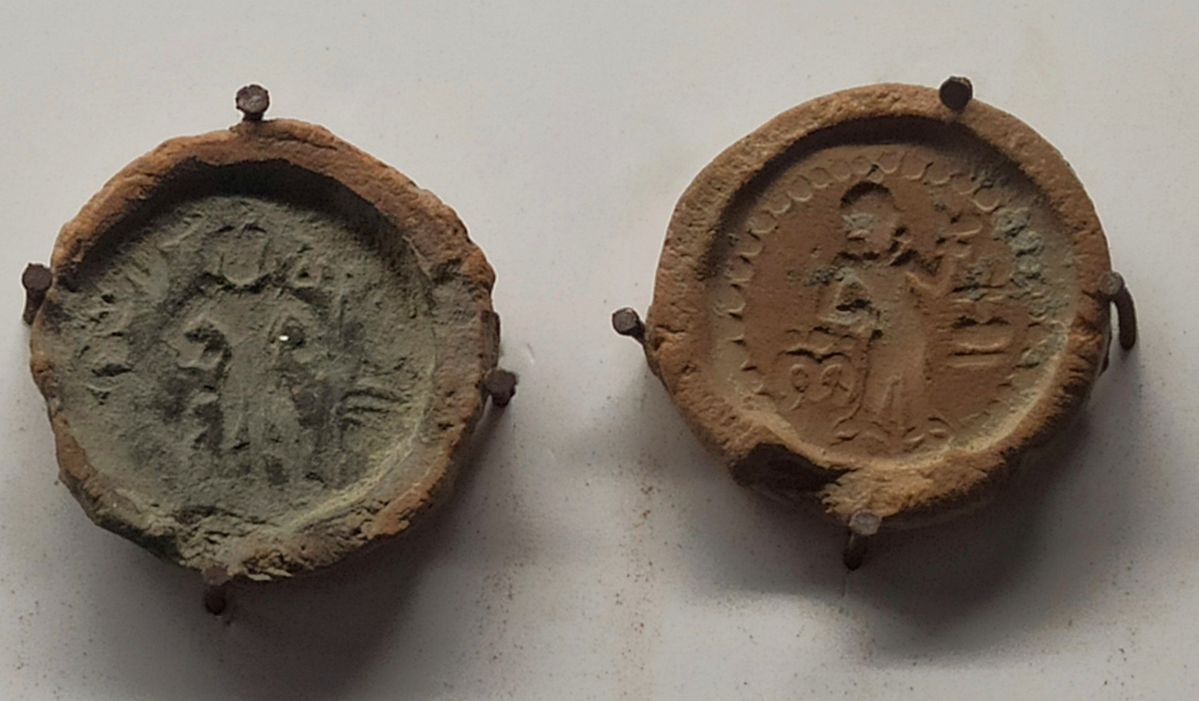
The transition between the urban decline of the Indus Valley Civilization and the emergence of historical kingdoms in the Gangetic plain remains one of South Asian history’s most carefully scrutinized periods. For decades, two distinct academic disciplines have approached this shift from opposite ends: philology reads the stratified layers of ancient texts, while archaeology unearths physical soil strata.
When comparative philologists like Michael Witzel and Asko Parpola evaluate the early Sanskrit corpus, they reconstruct models of pastoral mobility, social reorganization, and language movement. At the same time, excavations across northern India reveal a material record dominated by regional pottery sequences, local metallurgical developments, and long-term rural continuity. Reconciling these two lines of evidence requires isolating what a text describes from what a trench contains.
⚖ Scholarly debate: Textual Depiction versus Material Strata
The core methodological challenge lies in how different source materials accumulate over time. Philological analysis works with textual stratigraphy—tracing internal linguistic changes, metric shifts, and borrowed vocabulary across generations of oral transmission. In contrast, archaeological excavation tracks physical stratigraphy—recording natural soil deposits, structural rebuilds, and artifacts buried over centuries.
+-----------------------------------------------------------------------+
|                       METHODOLOGICAL APPROACHES                       |
+-----------------------------------+-----------------------------------+
|         PHILOLOGICAL MODEL        |        ARCHAEOLOGICAL MODEL       |
+-----------------------------------+-----------------------------------+
| • Analyzes textual stratigraphy   | • Tracks physical soil strata     |
| • Focuses on linguistic shifts    | • Focuses on material culture     |
| • Identifies pastoral mobility    | • Uncovers agricultural villages  |
| • Maps internal dialect layers    | • Maps pottery & iron sequences   |
+-----------------------------------+-----------------------------------+
Scholars debate how directly these two records can be correlated. The Rigveda depicts a pastoral society focused on cattle herding, horse-drawn chariots, and ritual offerings, set largely in the Punjab and northwestern river valleys. Internal linguistic evidence shows that as the textual corpus expanded into later Samhitās (collection of hymns or mantras) and Brāhmaṇas (prose commentaries on Vedic rituals), its geographical horizon shifted eastward into the Kuru-Panchala region of the upper Gangetic plain.
However, soil strata from the early Iron Age tell a story rooted primarily in local material development:
- Pottery sequences: Excavations reveal an transition from Ochre Coloured Pottery (OCP) and Black and Red Ware (BRW) to Painted Grey Ware (PGW).
- Settlement patterns: Sites present small, self-sustaining agricultural villages rather than sudden, intrusive material overhauls.
- Structural continuity: Building techniques, mud-brick use, and hearth designs show incremental local adaptation.
Evidence shows that material culture often persists across major linguistic or political shifts. A change in ceramic style does not automatically signal a new population, just as the adoption of a new language does not require the immediate replacement of daily tools.
The Iron Age Horizon and Settlement Continuity
The introduction of iron metallurgy in northern India serves as a key case study in separating textual references from physical strata. Philological models have traditionally associated the later Vedic literature—which mentions śyāma ayas (black metal, referring to iron) alongside lohita ayas (red metal, referring to copper)—with the spread of Iron Age settlements across the Indo-Gangetic divide.
Textual Horizon (Late Vedic Texts)    ---> Mentions śyāma ayas (iron)
Physical Horizon (Site Stratigraphy)  ---> Yields iron slag & localized wares
Yet, physical excavations across sites such as Hastinapur, Atranjikhera, and Noh show that iron technology emerged within existing local ceramic horizons. At these locations, iron artifacts and slag appear in the lower levels of the Painted Grey Ware phase, often resting directly on top of earlier Black and Red Ware layers without clean stratigraphic breaks.
Archaeological evidence shows that early Iron Age settlements in the upper Gangetic basin were agrarian villages utilizing mud-brick structures, post-holes for thatched roofs, and localized crop cultivation including rice and legumes. Rather than showing sudden disruptions matching epic narratives, the physical strata document a steady evolution toward greater agricultural output and regional settlement density.
Urbanization and Political Structures
By the time the textual record describes organized territorial states—the Mahajanapadas (great realms or oligarchical republics)—the archaeological record begins to show the physical hallmarks of early urbanization. This phase is marked stratigraphically by the appearance of Northern Black Polished Ware (NBPW), ring wells, fortified mud embankments, and early punch-marked coinage.
Vedic / Epic Texts                  Archaeological Strata
------------------                  ---------------------
Lineage tribal unions               Farming villages (PGW phase)
        │                                    │
        ▼                                    ▼
Regional monarchies / Republics     Fortified urban centers (NBPW phase)
Philologists map this transition by analyzing shifts in social terminology, tracking the move from lineage-based tribal unions (janas) to territorial kingdoms (janapadas). Archaeologists trace the exact same chronological window by measuring site sizes, trench depths, and wall construction phases.
While textual sources detail dynastic lineages and philosophical debates, site stratigraphy measures the concrete economic infrastructure that supported those shifts: expanded iron agriculture, organized trade networks, and dense civic settlement.
By keeping textual interpretation and physical stratigraphy strictly separated, modern research avoids forcing physical artifacts to conform to literary narratives. Instead, historical models rely on comparing where textual layers and material strata independently align—and acknowledging where their evidence diverges.