Paramara Stone Carvings Reveal Ujjain's Medieval Artistic Soul
Discovering new stone reliefs from Ujjain's Paramara era (9th-13th CE) offers a vivid glimpse into medieval Malwa's craftsmanship and iconography. These carvings illuminate daily life and artistic traditions.

Kavya Sharma for SwavedaJune 18, 2026
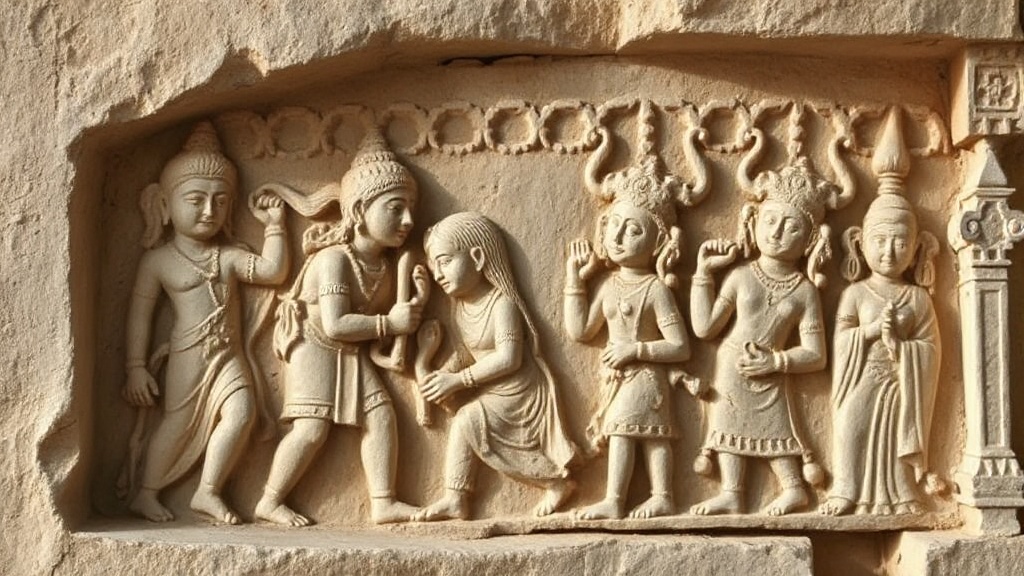
The banks of the Kshipra River in Ujjain, a city steeped in history, have yielded a treasure trove of Paramara-era stone carvings. These newly unearthed reliefs, dating from the 9th to the 13th centuries CE, are offering scholars and history enthusiasts alike a closer look at the artistic sophistication and cultural life of medieval Malwa. The carvings, discovered during recent archaeological surveys, provide a tangible connection to the people who lived, worked, and worshipped in this prominent region of central India centuries ago.
The Paramara dynasty, a significant ruling power in Malwa, left a rich legacy in art and architecture. Their patronage supported a flourishing of stone sculpture, visible in temples and other structures across the region. This latest discovery, however, focuses on a collection of carved stone panels found not as part of a grand temple complex, but rather in a context that suggests they might have adorned smaller shrines, public spaces, or even private residences. Their placement near the river, a vital lifeline for any ancient city, speaks to the integration of art into the daily fabric of Ujjain life.
Examining the iconography of these newly found reliefs is like reading a visual storybook of medieval beliefs and practices. While specific identifications are ongoing, initial analyses point to depictions of deities, celestial beings, and scenes from everyday life. We see figures that scholars are tentatively identifying as representations of Shiva, Vishnu, and various aspects of the divine feminine, such as Durga or Lakshmi. The attention to detail in the costumes and ornamentation suggests a keen observation of contemporary fashion and social status. For instance, the way a deity's garment is draped or the type of jewelry worn by a courtly figure can offer clues about the prevailing styles and the skilled hands of the artisans.
The craftsmanship itself is a testament to the mastery of Paramara-period sculptors. The stone, likely sourced from local quarries, has been meticulously shaped and polished. The precision in rendering facial features, the fluidity of the drapery, and the intricate patterns carved into the stone demonstrate a high degree of technical skill and artistic sensibility. Unlike monumental temple sculptures, some of these smaller reliefs may have been intended for more intimate viewing, allowing for a greater focus on fine details and delicate execution. The texture of the stone and the weathering it has undergone over centuries also contribute to their historical character, each mark and patina telling a part of their long journey.
One of the compelling aspects of these carvings is their potential to shed light on the social and economic conditions of the time. The materials used, the style of dress, and the activities depicted can offer insights into the economy, trade, and the lives of ordinary people. Were these carvings commissioned by wealthy merchants, local chieftains, or religious institutions? The very act of carving such detailed pieces required skilled labor and resources, indicating a society capable of supporting such artistic endeavors. The themes explored in the iconography, whether religious or secular, reflect the values and worldview of the people of medieval Ujjain.
The Ujjain region has long been a hub of cultural and religious activity, and the Paramara period was no exception. This era saw a blend of various artistic traditions, and the Ujjain carvings likely reflect this syncretism. The influences from earlier Gupta art and the emerging Solanki styles from Gujarat can sometimes be discerned in the forms and decorative motifs. Understanding these influences helps place the Ujjain school of art within a broader Indian artistic landscape.
The ongoing work by archaeologists and art historians involves careful documentation, cleaning, and conservation of these stone reliefs. Each piece is being photographed, measured, and analyzed for stylistic features, inscriptions, and any evidence of original paint or gilding, though such remnants are rare after centuries of exposure. Comparative studies with other known Paramara-period sculptures from sites like Mandu and Gwalior are crucial for establishing typologies and dating the Ujjain finds more precisely.
These newly discovered stone carvings from Ujjain are more than just ancient artifacts. They are windows into a vibrant past, offering a visual narrative of the artistic achievements, religious beliefs, and everyday lives of the people of the Paramara era. As research continues, these silent stones will undoubtedly reveal more of their stories, enriching our understanding of a significant chapter in Indian history.