Layers of Excavation: Community, Nation, and the Archaeology of India
Archaeology in India navigates a complex landscape where local needs, national narratives, and scientific inquiry intersect. This exploration examines how these dynamics shape fieldwork, interpretation, and the very understanding of India's past.

Rohan Bhattacharya for SwavedaJune 3, 2026
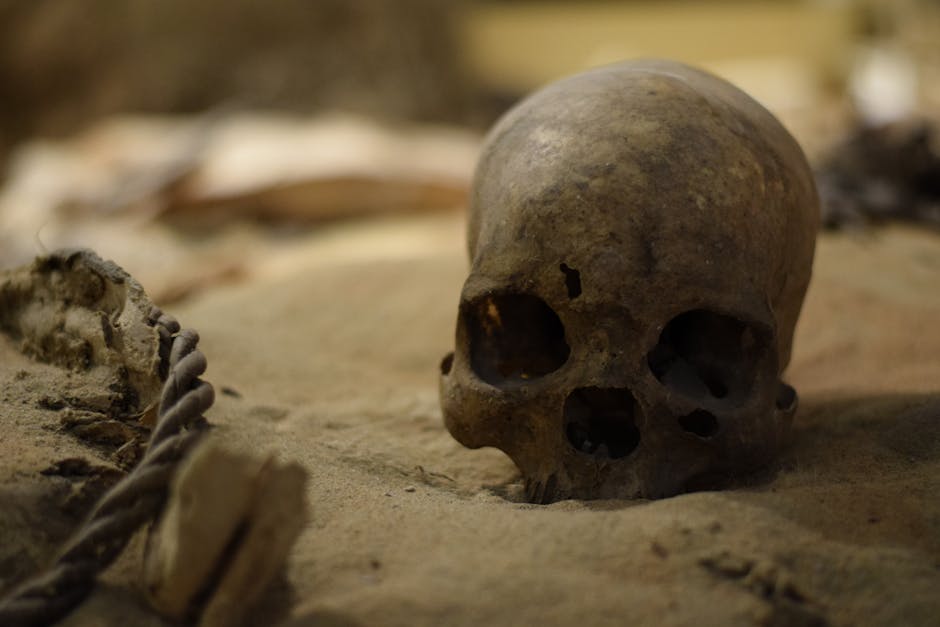
The trowel scrapes against a stubborn layer of compacted earth. Below, perhaps, lies a hearth, a tool, a shard of pottery. This granular work, fundamental to archaeology, is rarely conducted in a vacuum. In India, the practice of excavating the past is woven into a rich tapestry of local communities, national identity, and scholarly debate. These threads, sometimes complementary and sometimes conflicting, define the terrain of Indian archaeology.
The relationship between archaeologists and the people whose heritage they uncover is a critical strata in the field. Fieldwork, the bedrock of archaeological discovery, often takes place in rural or semi-urban areas. Local communities possess intimate, generational knowledge of the landscape. They know where ancient mounds are rumored to exist, where unusual stones surface after rains, or where ancestral burial grounds lie. This knowledge, passed down through oral tradition, can be an invaluable starting point for researchers.
However, this connection is not always a straightforward collaboration. Concerns over land ownership, displacement, and the potential disruption of daily life can lead to apprehension. The Archaeological Survey of India (ASI), the principal government body, faces the challenge of balancing national preservation mandates with the rights and concerns of local populations. Regulations surrounding site notification, excavation permissions, and the subsequent management of protected areas can create bureaucratic hurdles.
Scholarly analysis frequently highlights these socio-political dimensions. As researchers excavate deeper into the material past, they must also navigate the present-day social landscape. The very act of digging can reawaken historical grievances or create new ones if not managed with sensitivity and transparency. The publication Man and Environment, for instance, has often carried articles examining the ethical considerations of archaeological practice and the need for community engagement. These studies emphasize that archaeological sites are not simply inert repositories of history but are embedded within living communities.
Beyond the immediate locale, national interests cast a long shadow. India’s long and complex history provides fertile ground for constructing national narratives. Archaeological discoveries can become potent symbols, invoked to bolster claims about ancient origins, cultural continuity, or periods of great imperial power. This can create pressure on archaeologists to find evidence that supports pre-existing nationalistic interpretations.
The tension between objective scientific inquiry and the demands of national identity is a recurring theme. In academic discourse, particularly in journals like Antiquity and Puratattva, there are ongoing discussions about how archaeological evidence is presented and interpreted. While the pursuit of historical truth is paramount, the desire to craft a compelling national story can sometimes lead to the overemphasis of certain findings or the downplaying of ambiguities.
Dating disputes, a common feature of archaeological scholarship globally, take on added complexity in this context. Claims for the "oldest" or "first" of something often spark national pride. However, rigorous archaeological dating relies on a combination of stratigraphy (the study of layers of soil and debris), radiocarbon dating, and other scientific methods. The interpretation of these findings requires careful consideration of potential contamination, sample integrity, and statistical margins of error. Sensational headlines about groundbreaking ancient discoveries, while attractive, must be grounded in verifiable data and peer-reviewed research. The discipline thrives on meticulous detail, much like a painstaking excavation, where a seemingly insignificant artifact or soil change can alter the entire understanding of a site.
The ASI's role is central here. Its mandate includes surveying, excavating, conserving, and protecting India's archaeological heritage. The agency manages thousands of protected monuments and sites. Its reports and publications form a crucial part of the evidence base for understanding India’s past. However, like any large governmental body, it operates within a political and bureaucratic framework that can influence its priorities and practices. Funding allocations, policy directives, and public perception all play a role.
The interpretation of archaeological findings is another area where local voices and national interests can diverge or converge. For example, the discovery of an ancient settlement might be seen by local residents as a connection to their ancestral land, a source of local pride, and potentially an engine for tourism. Nationally, the same settlement might be framed as evidence of a particular historical period, a marker of a state's antiquity, or an illustration of a specific cultural influence.
The challenge for archaeologists lies in maintaining scholarly integrity while acknowledging the broader social and political context. This means rigorous adherence to scientific methodology, transparent reporting of findings, and a willingness to engage with diverse perspectives. It also involves critically examining how archaeological data is used in public discourse and national identity formation.
The practice of archaeology in India, therefore, is not merely about digging up the past. It is about excavating layers of human interaction: the scientist in the field, the community on whose land they work, and the nation whose story is being told and retold. The enduring strength of the discipline lies in its ability to acknowledge these multiple realities, much like understanding the stratigraphy of a site requires recognizing every deposit and disturbance, no matter how seemingly minor. Only through such careful layering of evidence and context can a more complete picture of India's deep past emerge.