Swaveda
Indian history, plainly written.
A short daily post on Indian history — archaeology, genetics, historical linguistics, and the texts. Plus side-by-side translations of public-domain primary works. Plain language; no chest-thumping in either direction.
Plain language
Aimed at any curious reader, not the seminar room. Sanskrit / Pali / Tamil terms get a gloss on first use.
Tradition ≠ evidence
“The Mahabharata describes…” and “the Mahabharata war happened in…” are different sentences, and we don’t silently merge them.
Readers can edit
Sign in to send a correction or addition. If it holds up, it changes the article and credits you. If it’s contested, it’s preserved as a reader note.
Latest articles
All articles →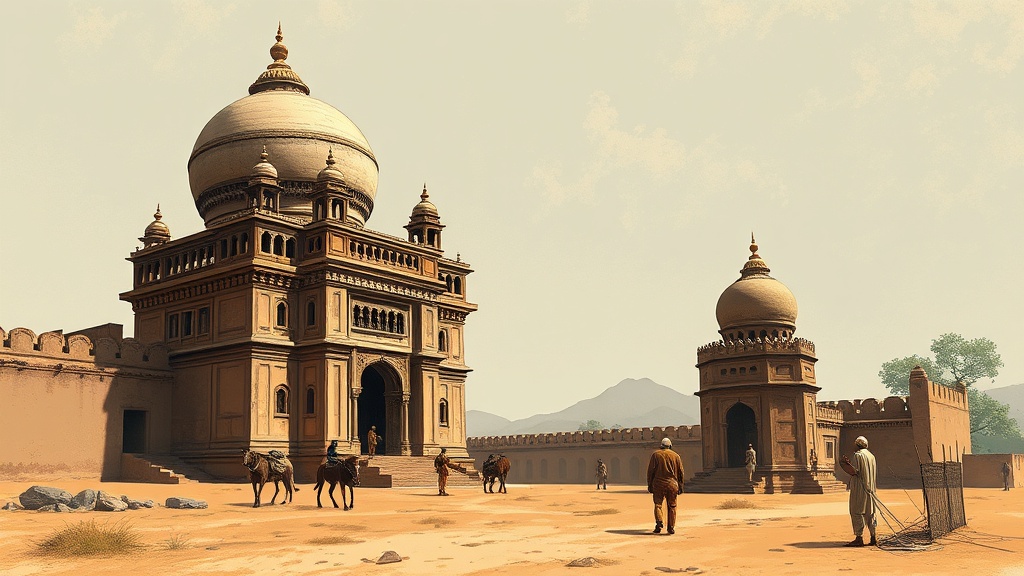
Was 'Rajputana' a British Imposition? Tracing a Name Through History
Examining the historical and linguistic origins of 'Rajputana,' this article investigates whether the name predates British rule or was a colonial construct.
Rohan Bhattacharya · Jun 18, 2026
 myth vs. evidenceepic dating
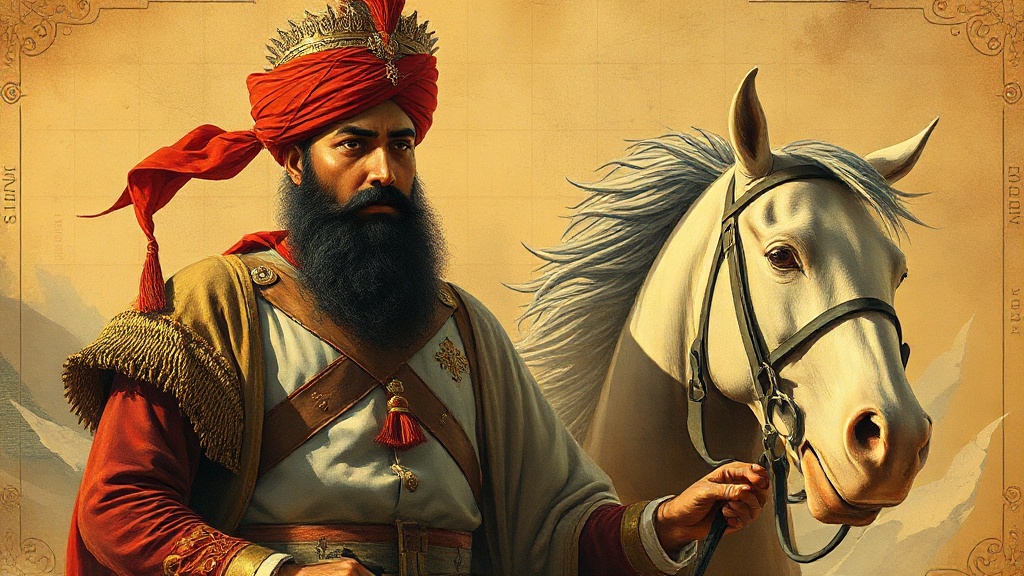
General Zorawar Singh's Conquests: Cartography and Contested Borders
Historical maps of General Zorawar Singh's campaigns in Tibet, Gilgit, and Baltistan offer insights into past territorial understanding, influencing modern geopolitical discussions.
Vikram Joshi · Jun 18, 2026
 daily lifefood
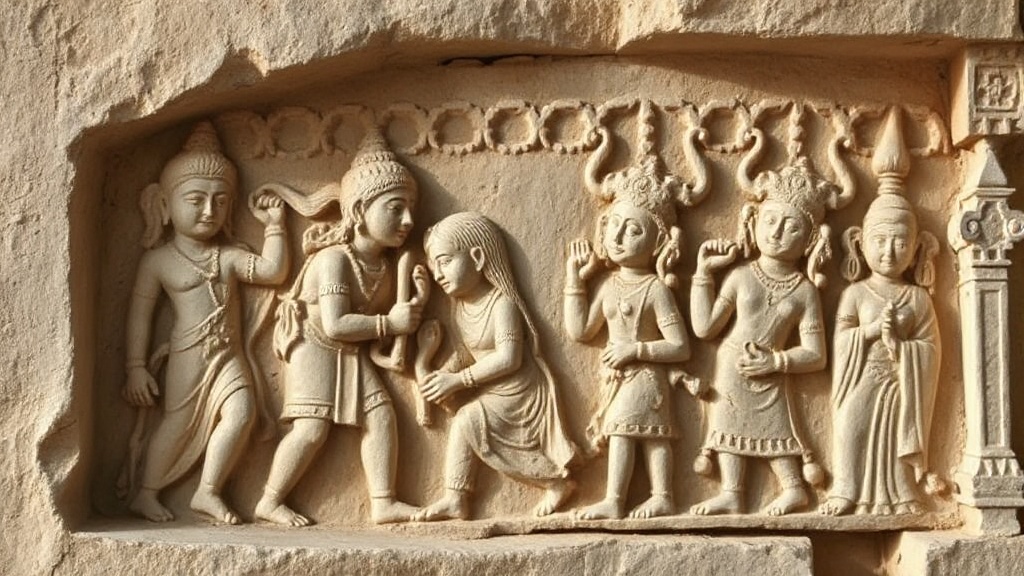
Paramara Stone Carvings Reveal Ujjain's Medieval Artistic Soul
Discovering new stone reliefs from Ujjain's Paramara era (9th-13th CE) offers a vivid glimpse into medieval Malwa's craftsmanship and iconography. These carvings illuminate daily life and artistic traditions.
Kavya Sharma · Jun 18, 2026
 daily lifefood
Adichanallur's Black-and-Red Ware: What ASI Excavations Reveal About Iron Age Tamil Nadu
ASI's 2004-2005 excavations at Adichanallur uncovered over 160 burial urns with Black-and-Red Ware, iron weapons, and paddy. What do these findings reveal about social structure and daily life in Iron Age Tamil Nadu?
Kavya Sharma · Jun 18, 2026
 maritime tradeIndian Ocean networks
Rani Seethai Achi (1852–1917): Chettiar Philanthropist and Chennai's Cultural Patroness
Seethai Achi, a Nattukottai Chettiar merchant-caste woman, earned the honorific 'Rani' (queen) for her donations to Chennai's Kapaleeshwarar Temple and other civic works in the late 19th century. What do we know about her life, and why does her legacy endure in Tamil cultural memory?
Devika Menon · Jun 18, 2026
Recent translations
All texts →A note on tone
Swaveda is curious, careful, and dry. There’s no civilizational chest-thumping in either direction here — no “Vedic India invented everything,” no “everything came from outside.” If we get something wrong, tell us. We fix it visibly, with a dated note.